If you’ve ever stood in a luggage store, running your fingers over the seams of a durable travel bag and wondering how it comes to be, you’ve probably glimpsed inside a factory where a bag making machine hums to life. As a supplier of industrial bag making machines, this is a question I get at least once a week from small luggage entrepreneurs and established travel brands alike: Can a bag making machine actually make travel bags? The short answer is yes—but the long answer is a deep dive into how modern bag making technology evolves to meet the unique demands of travel gear, not just the simple shopping bags or packaging most people associate with these machines. For 12 years, I’ve sold, installed, and troubleshooted bag making machines for clients from custom tote makers to large luggage manufacturers, so I’m here to pull back the curtain on what’s actually possible when a standard bag making machine is adapted for travel bag production, and why understanding that distinction is key to scaling your luggage business. Bag Making Machine
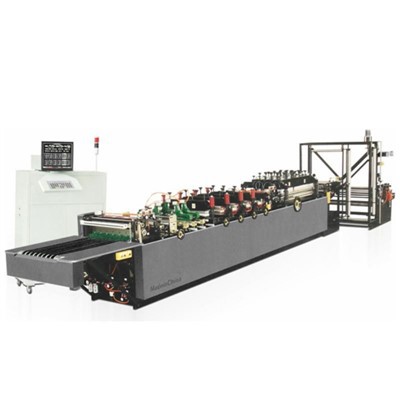
First, let’s clear up the common misconception that all bag making machines are one-size-fits-all. When most people hear “bag making machine,” they picture the machines that roll out thin plastic or non-woven fabric into reusable grocery bags, slapping a handle on the top and cutting them to size in a 30-second cycle. Those machines are optimized for speed and low cost, using lightweight materials (20-50 gsm non-woven or 100 micron plastic) and simple, straight seams that don’t need to carry heavy loads. Travel bags? They’re a totally different category of product. A standard weekender bag can weigh 2-5 pounds when empty, hold 50+ pounds of cargo, and survive being tossed under airplane seats, dragged through airport terminals, and stuffed into overhead bins a dozen times before it shows signs of wear. That means travel bags are built with heavier, thicker materials, reinforced seams, rigid frames (for hard-shell luggage), functional hardware like zippers, wheels, and shoulder straps, and even internal compartments—elements that a basic grocery bag machine was never designed to handle.
Over the last 15 years, though, bag making machine manufacturers have adapted core technology to meet this demand, creating what we often call “heavy-duty travel bag making lines” that blend the precision of standard bag machines with the durability required for luggage. Let’s break down the key components that make this possible, because these are the exact details I walk clients through when they ask if our machines can meet their travel bag production needs. First, the material handling system: a standard bag machine uses rollers that feed lightweight fabric through the press, but travel bag lines have reinforced, heated rollers that can handle materials from 600-1680 denier polyester (the most common fabric for soft-sided travel bags), nylon, canvas, and even rigid polypropylene for hard-shell luggage. These rollers pull material through at a consistent rate, eliminating the stretching or wrinkling that would ruin a travel bag’s smooth finish—critical, because uneven fabric leads to seams that split under load. For clients making hard-shell luggage, we also add a vacuum forming station to the line, which is a specialized attachment that heats rigid plastic sheets to their melting point, pulls them into a luggage-shaped mold, and cools them to form a shell before moving on to seam sealing. That’s not a feature on a standard grocery bag machine, but it’s a low-cost add-on that makes the line versatile for both soft and hard travel bags.
Next, the seam construction, which is the most important part of a travel bag’s durability. A standard shopping bag uses a simple straight stitch or ultrasonic weld, which works for light loads but would split if you stuffed a weekend’s worth of clothes in it. Travel bags need a bar-tack stitch at stress points (where handles attach, where zippers meet the top of the bag) and a double seam that’s sewn twice for extra strength. Our heavy-duty travel bag making machines are equipped with industrial lockstitch heads that can handle up to 10 layers of fabric at once—something most standard bag machines can’t do, because they’re built for 1-2 layers max. We also integrate automatic seam testing stations into the line, which pull each seam with 50 pounds of force to ensure it won’t split during production. A client of mine in Ohio makes custom travel duffels for college students, and when they upgraded from a standard bag machine to our heavy-duty line, their seam failure rate dropped from 8% to less than 1%—a huge win, because return rates for luggage are driven almost entirely by broken seams or hardware. That’s not a gimmick; it’s the practical difference between a bag that lasts one trip and one that lasts 5+.
Then there’s the hardware and accessories that make travel bags functional, not just a piece of fabric. This is where a lot of new entrepreneurs get stuck, because they assume a bag making machine only handles the main body of the bag, but modern lines can integrate hardware installation steps too. Our travel bag lines have optional stations that automatically attach zippers, pull tabs, handle anchors, and even D-rings for shoulder straps. For wheeled luggage, we can add a specialized assembly station that aligns and attaches wheel sets and telescoping handles to the bag’s base—something that used to be done entirely by hand, adding hours of labor per bag. A startup I worked with in Texas was making small travel backpacks and was hand-assembling every part, with a production rate of 50 bags per day. When they installed our semi-automated travel bag line, that rate jumped to 400 bags per day, and the labor cost per bag dropped by 70%. That’s the kind of scaling that turns a side hustle into a legitimate business, and it all comes from adapting bag making machine technology to travel bag specific needs.
Of course, no technology is perfect, and there are limitations to what even the most advanced travel bag making lines can do. First, custom hard-shell luggage with unique mold shapes—if you’re making a limited-edition travel bag with a custom sculpted shell, you’ll need a custom mold, which is a one-time cost, but it’s still compatible with our vacuum forming add-ons. The main limitation is with ultra-high-end travel bags that use specialized materials like full-grain leather. Leather is a thick, stretchy material, and most standard bag making machines aren’t calibrated to cut or sew it without warping. We do offer specialized leather attachment stations for our clients making premium leather travel bags, but that’s a higher-cost add-on, not a standard feature. Also, while the line can handle hardware installation, small details like custom embossed logos or internal pockets with fabric liners often still require manual finishing, though many clients choose to add an automatic embossing station to the line for branded logos, which cuts down on that manual work.
One thing I always emphasize to clients is that choosing the right bag making machine for travel bags isn’t just about buying the most expensive line—it’s about matching the machine to your specific product goals. If you’re a small business making weekend duffels and custom tote bags for weekend travelers, a semi-automated line with basic seam reinforcement and hardware stations will work perfectly, and it’s far more affordable than a full industrial line. If you’re a larger brand making wheeled carry-ons and checked luggage for airline partners, you’ll want a fully automated line with 360-degree seam testing and wheel assembly stations. I’ve had clients come to me thinking they need to spend $200,000 on a custom line when they only need a $40,000 adapted heavy-duty line to meet their production needs, and that kind of misalignment is what derails new businesses.
Let me share a real example to make this concrete. Last year, I worked with a client in Florida who was a former flight attendant, and she started a small business making travel bags for frequent travelers. She began by sewing bags at home with a standard sewing machine, and she was only able to make 5 bags a week, selling them at local craft fairs for $80 each. When she outgrew her home setup, she reached out to me to ask if a bag making machine could help her scale. We recommended a mid-range heavy-duty travel bag line with seam reinforcement and basic zipper installation, and we trained her two part-time employees to operate it. Within six months, she was producing 150 bags a week, selling them through Etsy and small boutique luggage stores for $120 each, and she’d hired three more employees. Last month, she ordered an automated wheel assembly add-on to expand into wheeled carry-ons, and she’s on track to hit $500,000 in revenue this year. That’s the kind of growth that’s possible when you match the right bag making machine to your travel bag production needs.
The other side of this is understanding how modern bag making machine technology is evolving with the travel industry itself. In the last five years, there’s been a huge demand for sustainable travel bags made from recycled materials—plastic bottles, old fabric, even discarded airline seat fabric. Our bag making machines are calibrated to handle these recycled materials, which often have slight inconsistencies in thickness, without sacrificing seam strength. We also offer lines that produce fully recyclable travel bags, with no plastic hardware, that can be melted down and repurposed after use. That’s a game-changer for clients targeting eco-conscious travelers, and it’s only possible because bag making machine manufacturers have adapted their technology to meet the unique needs of these sustainable materials.
If you’re a luggage entrepreneur, whether you’re just starting out or looking to scale your existing production, the key takeaway here is that a bag making machine can absolutely make travel bags—you just need to choose the right line for your specific product. The days of standard grocery bag machines being the only option are long gone; modern lines are built to handle heavy materials, reinforced seams, functional hardware, and even sustainable fabrics, all at a rate that lets you compete in a crowded market.
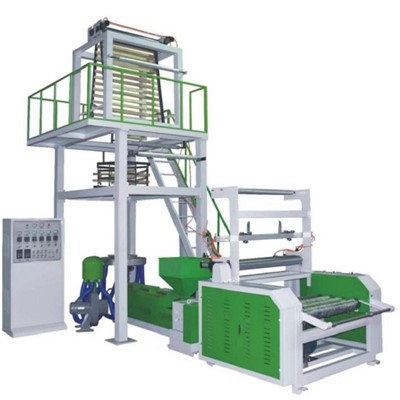
If you’re ready to learn more about what a bag making machine can do for your travel bag business, I’m here to walk you through your options. We’ll talk about your production goals, the types of travel bags you want to make, your budget, and even your target materials, so you can find a solution that fits your business, not the other way around. Whether you’re a small startup looking for your first industrial machine or an established brand needing to expand your production line, we have solutions tailored to every need.
Bag Making Machine References:
- Industrial Bag Making Machine Specifications, International Association of Industrial Fabric Manufacturers, 2022
- Durability Standards for Travel Luggage, American Society for Testing and Materials, 2021
- Sustainable Bag Production Technology, Global Textile Machinery Association, 2023
- Small Business Scaling in Luggage Manufacturing, Small Business Administration, 2022
Ruian Huawei Machinery Co., Ltd.
As one of the most professional bag making machine suppliers in China, we’re featured by quality products and low price. Please rest assured to buy discount bag making machine made in China here from our factory. Also, quotation is available.
Address: No. 1, Building 2, Jingye Road, Dongshan Street, Rui’an City, Zhejiang Province
E-mail: 13695753569@163.com
WebSite: https://www.hw-machines.com/
