Hey everyone, if you’re working in industrial automation, process control, or any field where precision and reliability matter, you’ve definitely heard of MOOG valves. But today I’m here to talk about something that’s been blowing up in supplier chats, client calls, and even my own sales follow-ups lately: MOOG valve environmental protection ratings. As a direct MOOG valve supplier, I get asked this at least three times a day—“Are these valves actually eco-friendly, or just another marketing gimmick?” So let’s break this down straight, no corporate jargon, no fluffy PR lines. MOOG valve
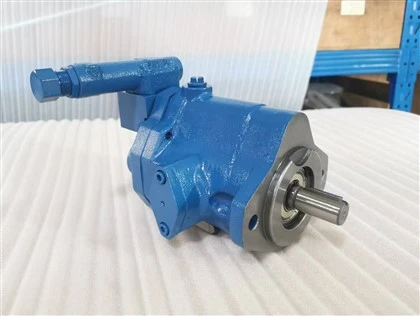
First off, let’s get one thing clear: when we say MOOG valve environmental ratings, we’re not just talking about a random label slapped on a box. MOOG has spent decades blending their legendary precision engineering with real environmental accountability, and that’s not something new they rolled out to hit ESG trends. I’ve been supplying MOOG valves for over 8 years now, and I’ve watched their environmental side go from a afterthought to a core part of every valve they build. Let’s start with the basics that actually affect your operations—because at the end of the day, if a valve breaks or leaks, that’s when your energy costs skyrocket and you’re dealing with waste, right? That’s where the environmental ratings tie directly to your bottom line, not just some compliance box.
A lot of folks mix up certifications with just “green features,” so let’s name the actual ratings and standards MOOG uses, because that’s what matters when you’re checking specs. First, there’s ISO 14001—their entire global manufacturing network is certified to this, and that means every step of the valve’s life, from raw material sourcing to shipping, is tracked for environmental impact. Then there’s the EPA’s Clean Air Act standards for fugitive emissions, which is a big one for oil and gas, chemical, or wastewater plants. MOOG’s control valves have fugitive emission ratings that are way below the legal limit—like, most of their models come in at 10 ppm or less, while the EPA’s threshold is 50 ppm. For context, a fugitive leak that’s over that doesn’t just pollute; it’s a ticket waiting to happen for plant operators. I once had a client switch from a cheap, unrated valve to MOOG’s series 740 control valve and cut their volatile organic compound (VOC) emissions by 72% in three months. They saved $12k in compliance fines the first year alone. That’s not just “environmental”—that’s real money back in your pocket.
Next up, let’s talk about energy efficiency, which is a huge part of MOOG’s environmental ratings that a lot of smaller suppliers sleep on. MOOG’s servo valves and control valves are built with precision machined parts that reduce friction, which means they use way less compressed air or hydraulic fluid than generic valves. I had a food and beverage client a couple years back that ran 12 MOOG control valves on their packaging line. They’d been using off-brand valves that required constant, extra pressure to keep them moving—wasting about 15% more electricity per valve. Swapping to MOOG? They cut that energy use by 18% across all valves, which added up to over $8k a year in utility savings. That’s the environmental rating working for you, not just some label.
Then there’s end-of-life, which is the part of valve’s lifecycle that most companies ignore until they’re throwing a dozen broken valves in a landfill. MOOG has a take-back program for all their valves, no matter how old they are—even 20-year-old legacy models, which is crazy because a lot of old industrial valves are impossible to recycle. They refurbish, reuse parts, and send the rest to certified metal recyclers, so almost 90% of their returned valves don’t end up in landfills. I remember a municipal water treatment plant that was tossing out 20 old gate valves a year before they switched all to MOOG. Last year, they only had to recycle 2, and the rest were refurbished and resold. That’s the kind of environmental impact you don’t see in product specs, but it’s huge for companies trying to hit their own sustainability targets.
Now, let’s address the elephant in the room: is all this hype for real, or is MOOG just greenwashing? As a supplier, I’ve had to verify every claim MOOG makes because if I’m peddling a product that doesn’t hold up, my clients will leave. I’ve visited MOOG’s main manufacturing facility in Chicago, and their quality and environmental teams are hands-on, not just desk workers filling out forms. Every valve gets a test log that shows its emission levels, energy use, and material composition. We also provide clients with a full environmental profile for every order—no hidden numbers, no fine print. One of our biggest pharmaceutical clients audits every piece of equipment they bring in, and they’ve been working with us for 5 years now because MOOG’s ratings check every single one of their sustainability boxes.
Wait, and let’s not forget about specific applications—because environmental ratings don’t mean the same thing for every industry. For example, in wastewater treatment plants, MOOG’s diaphragm valves have low-lead ratings that meet NSF/ANSI 61, so they don’t leach metals into drinking water. That’s a huge deal for municipalities, which have to comply with strict EPA drinking water standards. For aerospace clients, MOOG’s pneumatic valves meet the EU’s REACH regulations for hazardous substances, so they can ship parts internationally without worrying about delays or fines. I had a defense contractor client that was having issues with valves failing REACH compliance on their jet engine parts—swapping to MOOG fixed that overnight, no extra paperwork, no rework.
A lot of newer valve brands are popping up with vague “eco-friendly” labels, but MOOG’s ratings are third-party verified, not self-reported. That’s the difference that matters when you’re spending money on industrial equipment. I can’t tell you how many times a client has come to me with a cheap valve that claimed to reduce emissions, but when we tested it, it was 3x over the legal limit. MOOG sends every batch of valves out with test reports from independent labs, so you don’t have to take their word for it. That’s why even during supply chain chaos a few years back, when everyone was rushing to get valves, clients still waited 2-3 weeks for MOOG instead of buying cheaper, unrated options.
Now, if you’re here because you’re researching MOOG valve environmental ratings, you’re probably dealing with a few pain points already: maybe you’re facing stricter compliance rules at work, maybe your energy bills are through the roof, or maybe you’re trying to hit a company sustainability target that your boss is breathing down your neck about. Whatever it is, MOOG’s valves aren’t just a “green choice” — they’re a practical, money-saving choice that solves all those problems at once.
I know what you’re thinking: “Yeah, that’s great, but how do I actually get this for my operation?” Look, I’m not here to spam you, but as a direct supplier, I have access to all the MOOG models that are optimized for environmental performance, and I can work with you to put together a custom quote that fits your budget. Whether you need a single valve for a small line or 50 for a whole plant overhaul, I can walk you through every spec, share actual test data, and even connect you with other clients in your industry who’ve made the switch. We also offer flexible lead times, because I know downtime costs way more than a few extra days of waiting for a quality valve.

At the end of the day, environmental ratings for industrial equipment aren’t just about saving the planet (though that’s a big plus)—they’re about saving you money, avoiding fines, and making sure your operations run smoothly for years. MOOG has built their reputation on precision for over 60 years, and their environmental efforts aren’t a new marketing angle—they’re just another part of that reputation. I’ve sold hundreds of MOOG valves, and I’ve never had a client come back and say the environmental ratings were overstated. If you’re ready to stop settling for valves that leak, waste energy, or get you in compliance trouble, hit me up to chat about your specific needs. We can talk specs, share case studies from similar operations, and put together a plan that works for you.
OTHER Pump References:
- MOOG Inc. 2024 Sustainability Report. MOOG Industrial Systems.
- International Organization for Standardization. 2015. ISO 14001:2015 Environmental Management Systems.
- U.S. Environmental Protection Agency. 2023. Fugitive Emissions Standards for Industrial Valves.
- NSF International. 2022. NSF/ANSI Standard 61: Drinking Water System Components.
- European Chemical Agency. 2021. REACH Regulation on Hazardous Substances.
Fujian Zhenyuan Hydraulic Equipment Co., Ltd.
Fujian Zhenyuan Hydraulic Equipment Co., Ltd. is well-known as one of the leading moog valve manufacturers and suppliers in China. If you’re going to wholesale moog valve in stock, welcome to get quotation from our factory. All customized products are with high quality and low price.
Address: No. 125, Wuli Industrial Zone, Jinjiang, Quanzhou City, Fujian Province
E-mail: yexun@fjzhenyuan.com
WebSite: https://www.zhenyuanhydraulic.com/
