As a high-pressure washer supplier, I get asked this question every year as temperatures drop: “How do I winterize my pressure washer so it survives the off-season?” It’s not just about avoiding a few broken parts—skipping proper winterization can lead to frozen hoses, corroded pumps, and even permanent engine damage that costs hundreds of dollars to fix. I’ve seen it too many times: customers who store their washer with water still inside, only to pull it out in spring and find the pump housing cracked like a dried riverbed. Today, I’m walking you through the science-backed, step-by-step winterization process we teach all our clients (and use on our own rental units every year) to keep your machine ready for action when the snow melts. High Pressure Washer
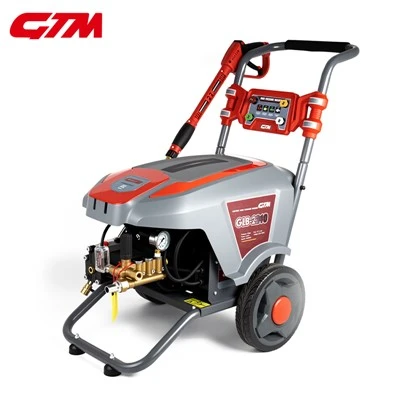
First, let’s talk why winterization is non-negotiable for pressure washers. Most people know water expands when it freezes, but what they don’t always grasp is just how much force that expansion generates. Pure water expands by about 9% when it turns to ice, and in the confined, small passages of a pressure washer pump, that 9% is enough to crack cast iron, shatter plastic seals, and warp internal components. Even mild, fluctuating temperatures (thawing during the day, refreezing at night) can gradually erode seals over time, leading to leaks before you even turn the machine on. Add to that the fact that residual water mixed with detergent or mineral deposits from hard water can cause internal corrosion, which eats away at metal parts all winter long. Your pressure washer is an investment—let’s protect it so you don’t have to shop for a new one next season.
Let’s start with the prep work. Before you touch anything related to the pump or engine, you need to get rid of any water left in hoses, wands, and detergent tanks. This step is often rushed, but it’s the foundation of effective winterization. First, disconnect the power source: if your washer is electric, unplug it; if it’s gas-powered, turn off the fuel valve and run the engine until it stalls to empty the fuel line (more on fuel later). Next, disconnect all hoses and attachments. Hold the wand end over a bucket, trigger it to release any remaining water trapped in the wand or gun. For hoses, coil them loosely (tight coils can kink and trap water) and hang them in a cool, dry place—never leave hoses lying on the ground where they can absorb moisture or get damaged. If your machine has a detergent tank, empty that entirely and wipe it down with a dry cloth; leftover detergent can leave a sticky residue that clogs nozzles and seals over winter.
Now, the most critical part: winterizing the pump. The pump is the heart of your pressure washer, and it’s also the part most vulnerable to freeze damage. Our team at the supplier always uses a pump-specific antifreeze here—we don’t recommend regular automotive antifreeze, because it can damage the rubber seals and gaskets inside the pump. Pump antifreeze is formulated to be non-corrosive and safe for the internal components of pressure washer pumps. Here’s how to do it correctly: First, remove the inlet hose from the pump, and attach a small funnel to the inlet port. Pour the pump antifreeze slowly into the funnel until it starts to come out of the outlet port of the pump. That means you’ve pushed all the old water out and filled the pump with antifreeze. If your washer has an axial pump (the most common type for residential units), you can also cycle the trigger on and off a few times while pouring to work the antifreeze through the internal valves. For triplex pumps (used on commercial units), take a minute to gently work the pistons by hand if your pump allows—this ensures the antifreeze coats every part, not just the main chamber. Once you’re done, cap both the inlet and outlet ports to keep dirt and moisture out while in storage.
Next, don’t forget about the fuel system if you have a gas-powered washer. Old fuel can turn gummy and sticky over the winter, which clogs carburetors, fuel lines, and filters—this is a top cause of startup issues in spring. The best fix here is to add a fuel stabilizer to the tank before you store the washer. If your fuel tank is already full, that’s perfect: fuel stabilizer mixes with fresh fuel to prevent oxidation. Run the engine for 5 to 10 minutes after adding the stabilizer—this lets the treated fuel circulate through the entire fuel system, not just sit in the tank. If your tank is partially empty, top it off with fresh fuel first, then add the stabilizer. If you’d rather not leave fuel in the tank, you can drain the fuel completely, but this takes extra steps: disconnect the fuel line, drain the tank into a suitable container, and run the engine until it stalls to empty the line. We always recommend the first method with a stabilizer, because draining fuel can leave residue in the tank if you don’t clean it thoroughly. For electric washers, skip this step—just make sure to wrap the power cord tightly (but not too tight to kink it) and store it away from moisture.
Once the liquid parts are handled, it’s time to clean and store the washer properly. Even a small amount of dirt or debris left on the machine can cause issues over winter. Use a soft brush and mild soap to wipe down the exterior of the engine, pump, and frame, then dry it completely with a lint-free cloth. For air-cooled engines (common on gas pressure washers), check the cooling fins—if they’re clogged with dirt or grass, use a soft brush or compressed air (on low pressure) to clean them out. Clogged fins can cause overheating when you start the machine in spring. Now, storage: pick a location that’s cool, dry, and out of direct sunlight. Avoid garages with leaky roofs, basements with high humidity, or areas where rodents can get in—rodents love to chew on hoses and power cords over winter. If you have a large commercial pressure washer, you can cover it with a breathable tarp to keep dust off, but make sure the tarp isn’t tight against the machine—you need airflow to prevent moisture buildup. For residential units, a storage bin or a shelf in your garage works great, as long as it’s off the floor (to avoid any accidental leaks or flooding).
Wait, let’s address a common mistake we see all the time: people use compressed air to blow out the pump instead of antifreeze. While that works for some small water pumps, pressure washer pumps have delicate seals and internal components that can get damaged if you use too much air pressure. Even low-pressure compressed air can force air into the seals, causing leaks later, or push the pump’s lubricant out. We only recommend compressed air for hoses and wands, not for the pump. If you do use air, keep the pressure under 30 PSI, and never direct it at the pump ports.
Now, a few extra tips for different types of machines. For cold-water pressure washers, the process above is all you need. For hot-water pressure washers, you also need to winterize the heating element and boiler—this part is a little more involved. The boiler holds hot water, so you’ll need to flush it with a descaling solution to remove mineral deposits, then pump antifreeze through the boiler to prevent freezing. We always recommend letting a professional handle hot-water washer winterization if you’re not comfortable, because the boiler is a complex part. For electric pressure washers, the steps are simpler: focus on emptying all water, cleaning the nozzles, and storing in a dry place.
When spring comes, all you need to do is reverse the process: remove the caps from the pump ports, reconnect the hoses, and run a few test cycles to make sure everything works. If you followed these steps, your washer should start right up with no issues.
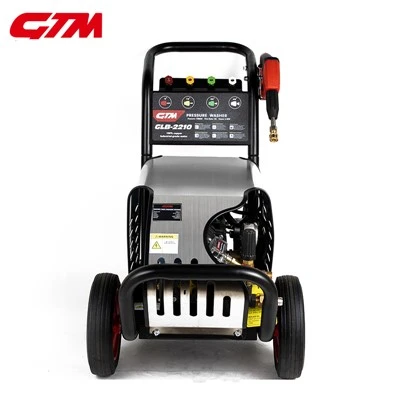
Winterizing your pressure washer doesn’t have to be complicated, but it does need to be done right. A little time spent now can save you hundreds of dollars in repairs later. If you have questions about your specific model, need replacement parts for spring, or want to learn more about maintaining your pressure washer, feel free to reach out to our team to discuss your needs. We’re here to help you keep your equipment running smoothly all year round.
Hose Reel References
- Pressure Equipment Manufacturers Association. (2022). Guidelines for Winterization of Industrial Pressure Washing Equipment.
- Automotive Service Association. (2023). Proper Care for Small Engine Winterization and Storage.
- International Sanitary Supply Association. (2021). Pump Care and Maintenance for Commercial Cleaning Equipment.
- National Outdoor Power Equipment Association. (2022). Winter Storage Best Practices for Gas-Powered Pressure Washers.
Zhejiang GTM Hi-Tech Intelligent Equipment Co., Ltd.
As one of the most professional high pressure washer manufacturers and suppliers in China, we also support customized service. With abundant experience, we warmly welcome you to buy discount high pressure washer for sale here from our factory. For price consultation, contact us.
Address: No.5 of Changjiang Road, 2nd Economic Development Zone of Wenling, Zhejiang, China
E-mail: yehuanting1@hongyemfg.com
WebSite: https://www.gtm-plungerpump.com/
