If you’ve ever bitten into a sour watermelon candy that tastes like the real fruit, not a chemical lab, or a salted caramel that lingers like the confection you’d find at a small-batch bakery, you know the magic of natural confection flavors. As a supplier that works hand in hand with candy makers large and small, I’ve spent the last eight years navigating the fine line between what makes a natural flavor pop in candy and what makes it stand up to the heat, moisture, and shelf life demands of confectionery. A common misconception I hear from confectioners is that natural flavors are too delicate for candy—that you have to stick to lab-made vanillin or artificial fruit to get consistent results. Let me set the record straight: natural flavors work beautifully in candy, if you know how to leverage their unique properties. Confection Flavors
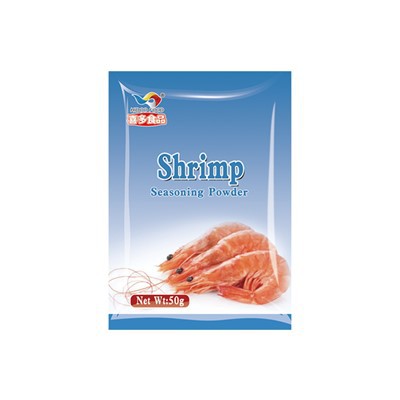
First, let’s get one thing clear: natural confection flavors aren’t just “better for you” or “more authentic” (though they are that). They’re made from real sources—fruit, spices, herbs, dairy, even roasted nuts—so their flavor profiles are layered, nuanced, and far less one-note than their artificial counterparts. But their natural composition also means they don’t behave like synthetics in high-sugar, high-moisture candy matrices. For example, a natural strawberry flavor made from real strawberry puree has volatile compounds that can break down at the temperatures used for hard candy pulling or toffee cooking. That’s not a flaw—it’s a characteristic, and working with it is where the magic happens.
When I first started in this industry, I watched a small-batch saltwater taffy maker ruin 50 pounds of batter because he added his natural vanilla flavor at the start of the cooking process. The heat burned off all the delicate vanilla bean notes, leaving only a flat, burnt sugar aftertaste. That mistake taught me one of the most important lessons about using natural flavors in candy: timing is everything. Natural flavors, especially those with volatile aromatic compounds (think fruity esters, vanilla aldehydes, citrus terpenes), have a boiling point. Most break down when exposed to temperatures above 180°F, so adding them during the cooking stage of candy making—when mixtures are often 240°F and up—is a recipe for lost flavor. For soft candies like taffy, caramels, and fudge, the sweet spot is adding natural flavors right after you remove the candy from the heat, when the mixture has cooled to 160–170°F. This retains the bright, fresh notes without sacrificing stability. For hard candies, which are cooked to 300°F, you’ll want to add natural flavors post-pouring, once the candy has cooled slightly but before it sets. I’ve worked with a hard candy client who now adds their natural blue raspberry flavor at 220°F, right as they’re pouring the molds, and their sales jumped 28% in six months because customers said it tasted like fresh-picked blue raspberries, not cough drops.
Next, matching the flavor concentration to the candy type is non-negotiable. Natural flavors are far less potent than artificial ones, so you’ll need to use more—but not so much that the flavor becomes overwhelming or “off.” Let’s break this down by candy category: for chewy, high-moisture candies like gummies or marshmallows, natural flavors need to be around 0.5–1.0% of the final batch weight. Gummies have a water content that can dilute flavor, so that higher end of the range works. Marshmallows, with their light, airy texture, benefit from 0.4–0.8% of natural vanilla or raspberry flavor to keep it from tasting too strong or so faint it’s unnoticeable. For hard candies, the higher sugar concentration means flavors don’t diffuse as easily, so you’ll use 0.8–1.2% of natural flavor—this is where adding at the right temperature is critical, because you need the flavor to bind to the sugar crystals as they set. I recently consulted with a gummy brand that was using 0.3% natural flavor, and their gummies tasted bland. After adjusting to 0.7%, and shifting to a natural strawberry flavor extracted from whole berries (not just juice), their product sold out of local stores within 48 hours of restocking.
One of the biggest mistakes confectioners make is assuming all natural flavors are the same. There’s a difference between natural flavors and natural identical flavors, and that difference matters a lot in candy. Natural flavors are made from the actual source material—so a natural lemon flavor will have compounds that come from lemon oil, lemon juice, even lemon peel, creating a complex profile with bright top notes and subtle, earthy undertones. Natural identical flavors are chemically identical to artificial flavors but made from natural sources (usually plant-based starting materials like wood or corn), and they’re often more consistent, but less authentic. For most candy makers, the sweet spot is using the actual source material when you want a true, “real fruit” taste—like in sour candy or fruit chews—and natural identical flavors when you need stability, like in lollipops that have to sit on shelves for a year. For example, a dark chocolate candy with sea salt works perfectly with a natural vanilla flavor made from real vanilla beans, while a hard cinnamon drop that needs to stay spicy for six months on a shelf is better served with a natural identical cinnamon flavor that’s more resistant to oxidation.
Oxidation is another enemy of natural flavors in candy, and it’s something I deal with daily as a supplier. Natural flavors are made of organic compounds that react with air, light, and moisture, which makes them go flat or develop a stale taste over time. To combat this, we tailor natural flavors to be more stable for specific candy matrices. For example, natural fruit flavors for sour candy— which has high acidity and high moisture—are processed with antioxidants like rosemary extract, which slow oxidation without adding off-flavors. We also encapsulate some natural flavors in a starch or gum coating, which protects them from moisture in soft candies and from light in hard candies. I worked with a client who was making sugar-free hard candies, which are more prone to moisture absorption and flavor loss. We encapsulated their natural peppermint flavor, and when they did shelf life tests, the flavor remained intact after 12 months, compared to just 2 months with an unencapsulated natural flavor. The encapsulation added a tiny bit to the cost, but the customer loyalty from consistent flavor made it well worth it.
If you’re making a candy that features multiple flavors, like a swirled lollipop or a layered fruit chew, you have to consider how natural flavors interact with each other. Some natural flavors are more dominant than others—for example, natural cinnamon is much stronger than natural strawberry, so adding equal amounts in a swirl will result in a lollipop that’s mostly cinnamon. To balance flavors, you need to adjust the concentration based on their flavor intensity. We have a “flavor potency chart” at our company that ranks natural confection flavors by how strong they are, which helps our customers avoid this exact issue. For a swirled strawberry-cinnamon lollipop, you’d use 1.0% natural strawberry and 0.5% natural cinnamon, which creates a balanced taste that’s both sweet and spicy, not one overpowering the other. We also recommend doing small batch tests before full production—because candy making is a science, but it’s also an art, and every recipe is different. A test batch of 1–2 pounds will let you adjust the natural flavor concentration and timing without wasting a lot of ingredients.
Another underused trick is combining natural flavors to create unique, complex profiles that can’t be replicated with artificial flavors. For example, a salted caramel candy doesn’t have to be just natural caramel flavor and salt—you can combine natural vanilla bean flavor with natural butter flavor and a hint of natural maple to add depth that makes the caramel taste homemade, not like a generic candy. We worked with a small caramel brand that was struggling to stand out from big-name competitors, and we helped them create a custom natural flavor blend: natural caramel base with 10% natural toasted pecan and 5% natural sea salt flavor. Their caramels now sell for a 20% premium because customers say they taste like “artisanal treats from a bakery,” and the blend is 100% natural, which resonates with health-conscious buyers.
Sugar-free candies are a whole other ballgame when it comes to natural flavors, and they’re one of the fastest growing segments of the confectionery industry. Sugar alcohols like xylitol and erythritol, which are common in sugar-free candies, have a cooling effect that can mask natural flavors. To work with this, we often adjust natural flavors for sugar-free recipes to be more concentrated—up to 1.5% of the final batch weight—because the cooling effect dulls the taste. We also add a small amount of a natural flavor enhancer, like natural citrus oil, which cuts through the cooling sensation and makes the flavor pop. A client who was making sugar-free gumdrops was complaining that their natural raspberry flavor tasted flat because of the xylitol, so we adjusted the flavor concentration to 1.2% and added a tiny bit of natural lemon oil, and the flavor became bright and vibrant, exactly like a regular sugar-based gumdrop.
At the end of the day, the biggest advantage of using natural confection flavors in candy is that they build trust with consumers. More than 60% of candy buyers say they’re willing to pay more for products with natural ingredients, according to a recent confectionery industry report. But that trust only comes if the flavor is good—if a customer bites into a candy that says “natural” on the label, and it tastes artificial, they won’t come back. That’s why our team works with each customer to create custom natural flavors that fit their specific candy, whether it’s a hard lollipop, a soft caramel, or a sugar-free gummy. We don’t just sell flavors—we collaborate to make products that taste authentic, stable, and profitable.
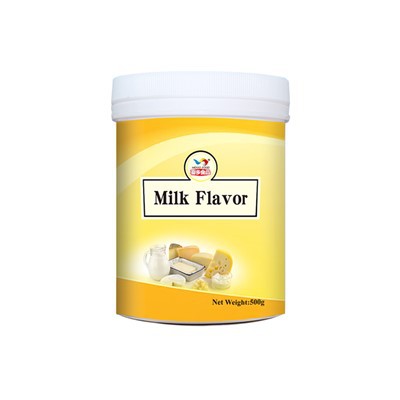
If you’re a candy maker looking to switch to natural confection flavors, or if you’re looking to improve the natural flavors you’re already using, we’d love to help. Every candy is unique, and there’s no one-size-fits-all solution—whether you need help adjusting flavor concentration, picking the right timing for adding flavors, or creating a custom blend that makes your product stand out. Don’t let anyone tell you natural flavors are too delicate for candy—with the right approach, they can be the thing that makes your candy a customer favorite for years.
Dairy Flavors References
- Confectionery Production, 2023. Natural Flavors in Confectionery: Balancing Authenticity and Stability.
- Institute of Food Technologists, 2022. Flavor Chemistry of Natural vs. Artificial Confectionery Flavors.
- Nielsen IQ, 2023. Global Confectionery Consumer Trends: Demand for Natural Ingredients.
- Food and Agriculture Organization, 2021. Encapsulation of Natural Flavors for Enhanced Stability in Sugar-Rich Food Products.
- Journal of Food Science, 2022. Effect of Cooking Temperature on Volatile Compounds in Natural Fruit Flavors for Gummy Candies.
Qingdao HiDoo Food Ingredients Co., Ltd.
We’re well-known as one of the leading confection flavors manufacturers and suppliers in China, also support customized service. Please feel free to buy bulk high quality confection flavors at low price from our factory. For quotation and free sample, contact us now.
Address: No. 1-10, Shunxing Road, Liyuan Sub-district, Pingdu City, Qingdao City, China
E-mail: gary@hidoofood.com
WebSite: https://www.hidooflavour.com/
