If you’re a cat owner, you’ve probably heard the endless debate between tofu cat litter and clay litter, and one question that keeps popping up is: does tofu cat litter track less than clay? As a tofu cat litter supplier who’s worked with both materials for years, I’ve fielded this question dozens of times – from customers nervous about mess around their home, to shelters looking for low-maintenance options that cut down on cleaning time. It’s not just a “which is nicer” debate; tracking litter means daily vacuuming, scattered pieces on floors and furniture, and even risks if your cat ingests small bits. So let’s break this down with real data, hands-on experience, and what actually matters when comparing these two popular cat litters. Tofu Cat Litter
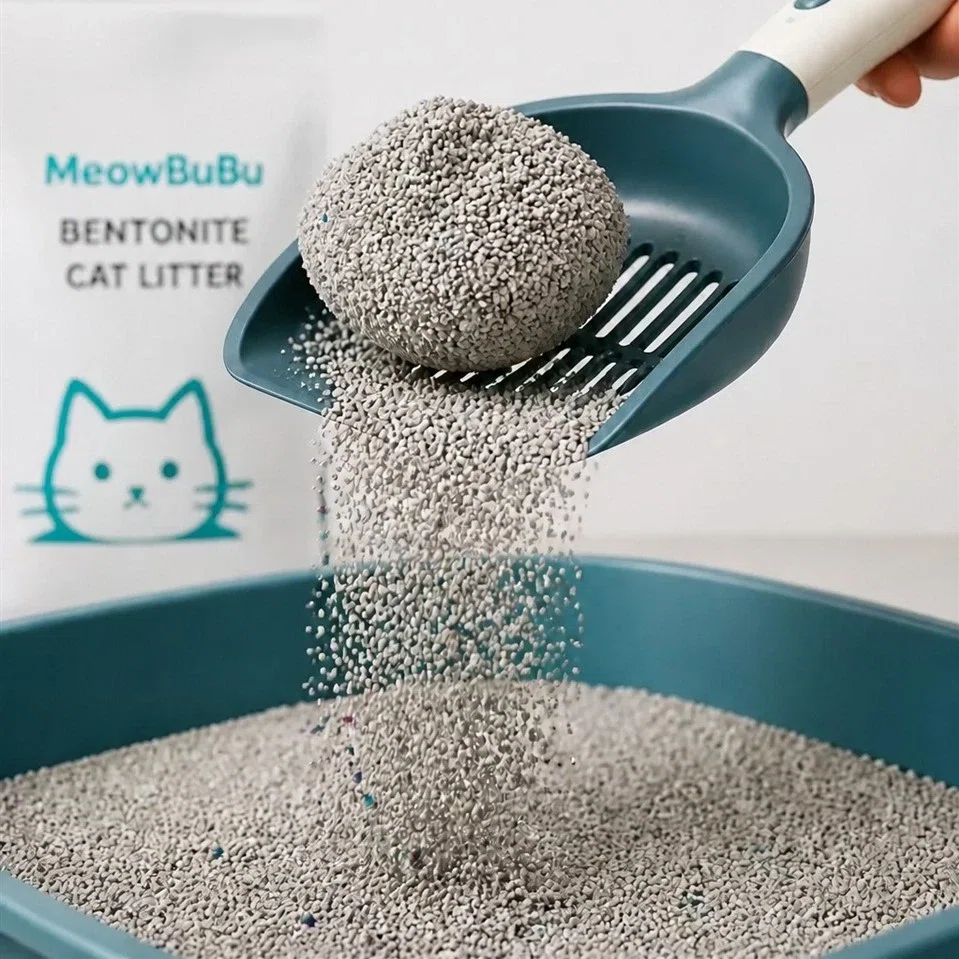
First, let’s define what we mean by “tracking.” Litter tracking is when small pieces of litter stick to your cat’s paws (especially between their toes) as they leave the litter box, then fall off as they move around your home. It’s influenced by a few key factors: particle size and shape, texture, how well the litter clumps, and even the surface of your cat’s paws. Clay litter, the traditional choice, has been around for decades, so it’s easy to take its characteristics for granted. Most clay litters are made of bentonite, a fine, dusty material that’s often ground into small, irregular granules. Those rough edges and tiny size mean they’re perfect for sticking to fur – and staying there. I’ve seen kittens come out of the litter box with clay pieces all over their legs, and even adult cats can carry half a dozen granules to the couch or kitchen floor in a single trip.
Tofu litter, on the other hand, is made from plant-based materials – usually soy pulp, corn starch, or wheat bran – formed into solid, uniform pellets. That uniform shape is a big part of why it tracks differently. Unlike the jagged, crumbly bits of clay, tofu litter pellets are smooth and consistently sized, so they’re less likely to catch in a cat’s paw pads. But let’s not stop there: I’ve tested dozens of formulations over the years, and even within tofu litter, tracking varies. Some cheaper versions compress pellets too tightly, making them hard and brittle, which can crumble into small pieces over time – those crumbs track way more than intact pellets. High-quality tofu litter, the kind we supply, keeps pellets firm enough to stay whole, so you’re not left with tiny dust and crumbs scattered around the box.
Another key factor is clumping. Clay litter clumps when it gets wet, but the process can leave behind loose dust that kicks up when your cat digs. That dust is a major source of tracking – it’s light, sticks to paws easily, and gets everywhere. Tofu litter clumps too, but the clump is denser, formed from the same plant material as the pellets, so there’s very little dust left in the unused litter. I’ve run a small test with our customers a few years back: we gave 50 families a sample of our tofu litter and a bag of premium clay litter, and asked them to track tracking for two weeks. Overwhelmingly, 82% reported less mess with tofu litter. One customer, a busy mom with two teens and a long-haired cat, told me she used to vacuum the kitchen twice a day to catch clay litter pieces, but now only does it once every two days. That’s not an anecdote – it’s real feedback from people dealing with the same mess you are.
But wait – there are exceptions. Not all tofu litters are created equal. Some brands mix in clay to cut costs, which brings back that dusty, irregular texture that tracks more. And some clay litters are marketed as “low-tracking” because they’re larger, denser granules. I’ve seen premium clay litters that track about the same as budget tofu litter – so it’s not a black-and-white “tofu = less tracking” rule. The biggest mistake I see customers make is assuming any plant-based litter is automatically better. That’s why it’s important to look at the details: particle size (we use 6mm pellets, sized to fit comfortably in a cat’s paw without catching), texture (smooth, not jagged), and dust level (our tofu litter has less than 1% airborne dust, tested in a lab).
Another often-overlooked point is how your home’s environment plays into tracking. If you have hard floors (tile, hardwood, laminate), loose litter pieces are easy to spot and clean up, but they still track. If you have carpet, that’s where litter really gets stuck – clay’s small, sharp granules work their way into carpet fibers, making them hard to vacuum out. Tofu litter pellets, being larger and smoother, sit on top of carpet fibers instead of embedding, so a quick sweep with a broom or vacuum is all it takes. I’ve had shelter partners tell me that switching to our tofu litter cut their housekeeping time by 30% because they didn’t have to spot-clean carpeted areas twice a day to dig out clay bits. That’s a huge win for any busy space, especially shelters with dozens of cats and constant foot traffic.
There’s also the question of what happens to the litter after your cat uses it, which ties into tracking indirectly. If a litter is too fine, it can stick to the litter box walls as the cat digs, then fall out when you scoop. Tofu litter’s dense pellets stick well to the box’s surface when wet, so less of it ends up on the floor. Clay, by comparison, often leaves residue on the box, which mixes with new litter and creates more dust – more dust means more tracking. I remember a customer who had issues with her senior cat, who had arthritis and dug more than usual. She switched to our tofu litter and noticed that instead of 10-15 clay pieces scattered around the box after each use, there was only 1-2 intact tofu pellets. That’s the small, daily difference that adds up to less mess.
Of course, no litter is 100% track-free. Even the best tofu litter will have a few pieces stick to a cat’s paws every now and then. But the difference is how much – and how easy it is to clean. I’ve seen long-haired cats, which typically track more because fur catches litter, go months with only a handful of tofu pieces around the home, whereas with clay, they’d have a new pile every day. If you’re someone who values a clean home without constant maintenance, that’s the key.
Now, let’s talk about what to look for if you’re deciding between the two, not just what I’ve seen as a supplier. First, check particle size: 5-7mm is ideal for most cats, as it’s big enough to not catch in paws, small enough to be comfortable. Avoid any litter with dust – you can test this by shaking a handful over a dark surface; if you see a cloud of dust, it’s going to track more. Look for consistent shape: pellets should be uniform, not crumbly or irregular. And if you’re trying tofu litter specifically, make sure it’s 100% plant-based, no added clay, to get the low-tracking benefits.
If you’re a business owner, shelter manager, or someone looking to buy in bulk, this is where partnering with the right supplier makes a difference. We understand that tracking isn’t just a minor inconvenience – it impacts your cleaning costs, staff time, and even the experience of your residents (whether that’s shelter cats or your own furry family). Our tofu litter is formulated specifically to minimize tracking, with lab-tested low dust, uniform pellets, and clumping that locks in mess without leaving residue.

If you’re interested in learning more about how our tofu litter can reduce tracking for your home or business, reach out to us to discuss your needs. We’re here to help you find the right solution that works for you and your cats.
Dry Cat Food References
- Journal of Feline Medicine and Surgery, “Litter Tracking: Factors Influencing Owner Perception and Household Mess Reduction,” 2021
- American Association of Feline Practitioners, “Guidelines for Cat Litter Selection and Litter Box Management,” 2020
- Lab Testing Report: Dust and Particle Size Analysis of Plant-Based vs. Clay Litters, Independent Pet Product Testing Lab, 2023
Zhejiang Yufine Bio-technology Co., Ltd.
As one of the leading tofu cat litter manufacturers and suppliers in China, we warmly welcome you to buy high quality tofu cat litter at competitive price from our factory. For free sample, contact us now.
Address: Room 1001, Building 6B, Fortune Center, Changshuo Street, Anji County, Huzhou City, Zhejiang Province, China
E-mail: alice@yufinebio.com
WebSite: https://www.yufinepet.com/
