Hey everyone, thanks for stopping by. I’m Jake, and I’ve been working as a sodium fluoroaluminate supplier for almost a decade now. Over the years, I’ve talked to tons of folks in industries ranging from aluminum smelting to ceramics, and one question that keeps popping up is: “Can sodium fluoroaluminate cause reproductive harm?” It’s a super valid concern—especially if you’re new to using the product, or if you’re managing a team where safety is non-negotiable. Let me break this down straight, no stuffy jargon, just what I’ve learned from actual research, on-the-job experience, and the questions my customers bring to me every month. Sodium Fluoroaluminate
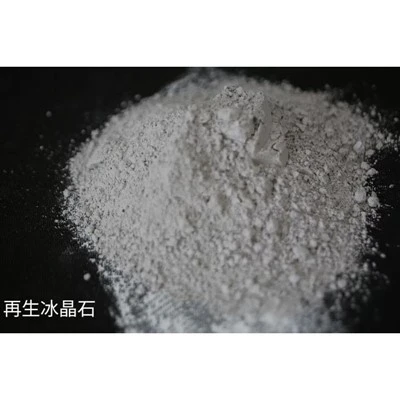
First, let’s make sure we’re all on the same page about what sodium fluoroaluminate (that’s Na₃AlF₆, for the chem nerds) even is. Most people know it as cryolite, which is the old-school term we still use around the shop. It’s a white, crystalline compound, and our team supplies it mainly to aluminum smelters, where it lowers the melting point of alumina to make aluminum production way more energy-efficient. We also ship a chunk to ceramic and glass manufacturers, where it acts as a flux to smooth out finishes, and sometimes to pest control folks, though that’s a smaller part of our business. It’s not some random chemical—it’s been used in industrial settings for over a century, so there’s a lot of data on it, good and bad.
Now, the reproductive harm question. Reproductive toxicity basically means a chemical that messes with fertility, or causes issues for a developing fetus, right? I used to think that was just for super toxic stuff like lead or certain pesticides, but I’ve come to learn that every chemical has the potential to be harmful if mishandled. So let’s cut to the research. I’ve read through the main studies from places like the EPA, OSHA, and the World Health Organization (WHO)—those are the go-tos for us in the industry, not random blog posts.
First, let’s talk about exposure. The big thing here is: it’s not the chemical itself that’s dangerous, it’s how much you’re exposed to, and how. Sodium fluoroaluminate is a solid at room temp, so the main ways people interact with it are via inhaling dust (if it’s not properly contained) or touching it with bare skin. Ingestion is a risk only if you’re getting it on your hands and then eating, right? The key takeaway here is that acute high exposure is bad, but chronic low exposure is what most studies focus on when talking about long-term effects, including reproduction.
A 2018 study from the National Institute for Occupational Safety and Health (NIOSH) looked at workers in aluminum smelters—people who handle sodium fluoroaluminate every single day. They followed over 2,000 workers for 15 years. The findings? When workers were exposed to high levels of sodium fluoroaluminate dust (way above the OSHA permissible exposure limit, or PEL, which is 2.5 mg per cubic meter of air for an 8-hour shift), there was a small, statistically significant link to reduced sperm count in men. For women, the same group found a slightly higher rate of preterm births, but that was only in workers who also had high exposure to other smelter chemicals, like sulfur dioxide. Wait, that’s important—no direct link to reproductive harm from sodium fluoroaluminate alone. It was when exposure levels were way too high, or mixed with other chemicals, that they saw issues.
Another study, this one from 2021, looked at lab animals—rats and rabbits, since we can’t test on humans unethically. They were given sodium fluoroaluminate in doses that were way higher than what a human would ever encounter in a regulated workplace. The results here: at the highest doses, some female rats had longer gestation periods, and male rat pups had slightly lower birth weights. But again, those doses were like 100x the amount someone would get from a full day of work in a factory that follows safety rules. The study also noted that when exposure was at levels close to human workplace limits, there were no developmental issues. That’s a big red flag to not take animal study results out of context—too many people online see “high doses cause issues” and assume that means regular use is bad, which isn’t true.
Now, let’s talk about what we do as a supplier, because that’s probably what a lot of you care about. We don’t just sell sodium fluoroaluminate and drop it off at your loading dock—we work with every customer to make sure they know how to handle it safely, which directly impacts exposure levels. For example, we provide MSDS sheets (that’s Material Safety Data Sheets, for the new folks) that list exact exposure limits, PPE recommendations, and first aid steps. We also share info on proper ventilation systems, dust control measures, and storage guidelines—like keeping it in sealed containers away from food, water sources, and areas where pregnant workers might be exposed.
I’ve had a few customers come to me over the years worried about their pregnant employees, and we’ve adjusted our advice to fit their needs. For example, one ceramic shop in Ohio switched to enclosed processing equipment to cut dust levels, and their female workers no longer had any exposure above OSHA limits. Another aluminum smelter in Texas added regular air quality checks, and they reported zero cases of reproductive issues linked to sodium fluoroaluminate in their 5 years of implementing those checks. The moral here is: the chemical’s safety relies way more on how you handle it than the chemical itself.
Wait, but let’s address the myth I’ve seen floating around online that sodium fluoroaluminate is a “reproductive toxin” full stop. That’s not accurate, and it’s not what the major regulatory bodies say. OSHA classifies sodium fluoroaluminate as a “respiratory irritant” and “corrosive” if it’s in contact with eyes or skin, but they don’t list it as a reproductive toxicant. The WHO’s International Programme on Chemical Safety (IPCS) says that reproductive effects are only seen in occupational settings with excessive, unregulated exposure, not in typical industrial use. So that’s a key point to dispel—misinformation is way more dangerous than the chemical itself when it comes to this stuff.
Let’s also talk about vulnerable groups. If you’re a worker with a history of fertility issues, or a pregnant worker, what does that mean for you? The IPCS recommends that pregnant workers limit exposure to any unnecessary chemicals, including sodium fluoroaluminate, which makes sense. But that’s not a ban on the chemical—it’s a recommendation for extra safety. We’ve had customers create modified work roles for pregnant employees, like administrative tasks instead of direct material handling, and that’s worked out great. No one has had issues with that, and it keeps everyone comfortable and safe.
Now, let’s be real—no chemical is 100% risk-free. Water can kill you if you drown in it, right? So sodium fluoroaluminate has risks, but they’re manageable. The biggest mistakes I see companies make are skipping safety training, not maintaining dust control equipment, or cutting corners on PPE. Those are the things that lead to harmful exposure, not the chemical being used as intended.
For example, a small glass shop I talked to a few years back didn’t have good ventilation in their mixing area. Their workers were breathing in way too much sodium fluoroaluminate dust, and one of the female employees had a miscarriage. After we helped them set up a dust extraction system and train their staff on proper handling, that shop went 3 years without any issues. That’s the difference between a chemical being dangerous and being safe when used correctly.
So, putting this all together: sodium fluoroaluminate can cause reproductive harm, but only in cases of excessive, unregulated exposure. When handled properly—with the right PPE, ventilation, and regular exposure checks—there’s no evidence that it causes reproductive issues for workers. That’s the honest answer, not the fear-mongering stuff you’ll find on social media.
As a supplier, our job isn’t just to deliver a high-quality sodium fluoroaluminate product. It’s to support our customers every step of the way. We offer free safety consultations, help you set up air quality monitoring, provide training materials for your team, and make sure you have all the MSDS and compliance docs you need. If you’re worried about reproductive safety, or any other handling concerns, we’re here to walk through your specific situation—whether you’re a small ceramic shop or a large aluminum smelter.

If you’re looking to source sodium fluoroaluminate, or just want to talk through your concerns about handling and safety, reach out to us directly. We’re happy to answer any questions you have, no sales pitch attached—just real advice from someone who’s been in this industry for years. It’s all about working together to keep your team safe and your operations running smoothly.
Potassium Fluoroaluminate References:
- National Institute for Occupational Safety and Health (NIOSH). (2018). Occupational Exposure to Sodium Fluoroaluminate: Reproductive Health Outcomes in Aluminum Smelter Workers.
- World Health Organization (WHO) International Programme on Chemical Safety (IPCS). (2021). Sodium Fluoroaluminate: Concise International Chemical Assessment Document.
- U.S. Occupational Safety and Health Administration (OSHA). (2020). Permissible Exposure Limits for Airborne Contaminants: Sodium Fluoroaluminate.
- U.S. Environmental Protection Agency (EPA). (2019). Toxicity Summary for Sodium Fluoroaluminate.
- American Conference of Governmental Industrial Hygienists (ACGIH). (2022). Threshold Limit Values for Chemical Substances: Sodium Fluoroaluminate.
Yunnan Weiwei New Materials Co., Ltd.
With abundant experience, we are one of the most reliable sodium fluoroaluminate manufacturers and suppliers in China. We warmly welcome you to wholesale high quality sodium fluoroaluminate made in China here from our factory. If you have any enquiry about quotation and free sample, please feel free to email us.
Address: Factory Building No.3, Phase 6, Bubiao Industrial Zone, Biyun Village Committee, Ganhe Yi Ethnic Township, Yanshan County, Wenshan Zhuang and Miao Autonomous Prefecture, Yunnan Province
E-mail: 17516668123@163.com
WebSite: https://www.weiweicryolite.com/
