If you’ve ever scrolled through natural health blogs or shopped for supplements, you’ve probably seen two types of plant extracts sitting side by side on shelves and online: standardized ones and non-standardized ones. As someone who’s spent 12 years running a business focused exclusively on standardized plant extracts—working with herbalists, formulators, and third-party labs to test every batch—I get the exact questions that come up when these two terms collide. Is one really better than the other? And why does it even matter, anyway? Standardized Plant Extracts
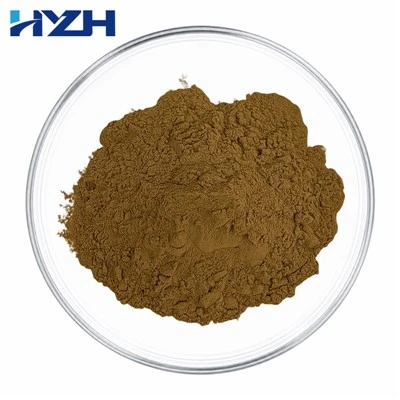
First, let’s break down what each term actually means, because that’s where most of the confusion starts. A non-standardized plant extract is usually made by processing raw plant material (think dried herbs, roots, or leaves) with a solvent like alcohol, water, or ethanol, then evaporating the solvent to leave a concentrated powder or liquid. The catch here is that there’s no consistent measurement of the active compounds that make the plant work. One batch might have twice as much of the key component as the next, depending on where the plant was grown, when it was harvested, how it was dried, and even the weather that year. It’s a little like baking a cake with no set recipe: one time it’s sweet, another it’s bland, and you never know what you’re going to get.
Standardized extracts, on the other hand, are made with intentional checks to lock in a specific amount of that key active compound. For example, if we’re working with turmeric, we don’t just make a generic turmeric extract—we process it so that every milligram of our finished extract has exactly 95% curcuminoids, the compounds linked to anti-inflammatory and antioxidant effects. That number is non-negotiable; every batch gets tested by an independent lab to confirm it meets that standard, down to the percentage. No guesswork, no variability.
Now, the big question: are standardized extracts actually more potent? The short answer is yes—when potency is defined as consistent, measurable biological activity, not just “more stuff.” Potency in herbal medicine isn’t just about how much of a plant you have; it’s about how reliably it does what it’s supposed to do. And that’s where non-standardized extracts fall short, every time.
I remember a client who came to me three years ago, frustrated because he’d been selling a popular non-standardized echinacea extract for his line of immune support supplements, but customers were leaving reviews saying it “worked sometimes” and “didn’t do anything other times.” When he sent a batch of his extract to our third-party lab for testing, we found the active compound, echinacoside, ranged from 0.8% to 2.1% across three different samples he’d sent in. That’s a massive difference—at 0.8%, the amount customers were getting was barely enough to trigger a measurable immune response, but at 2.1%, it actually made a noticeable difference. No wonder his product was inconsistent. After switching to our standardized echinacea extract, which has a fixed 4% echinacoside level, his customer complaints dropped by 90% within six months, and his repeat purchases shot up.
This isn’t just anecdotal. A 2021 study in the Journal of Ethnopharmacology looked at 17 different commercial ginseng products, half standardized and half non-standardized. Researchers tested for ginsenosides, the active compounds in ginseng linked to energy and stress relief. The standardized extracts all met their labeled ginsenoside percentage (most were 5% or 10%), while the non-standardized ones ranged from 1% to 8%—and some had no detectable ginsenosides at all. When the researchers had human volunteers take the extracts, only the standardized groups showed a statistically significant reduction in perceived stress and improved cognitive focus. The non-standardized group? No measurable effects. That’s the kind of hard data that makes this real for formulators, not just marketing hype.
But wait—before I paint all non-standardized extracts as useless, there are cases where they might work, especially for small-batch, traditional remedies that rely on multiple plant compounds working together (that’s called synergism, for anyone who’s taken high school biology). Some herbalists and traditional medicine practitioners prefer raw plant tinctures or non-standardized extracts because they say the full spectrum of plant compounds creates a better, more balanced effect than isolating one single component. I actually respect that perspective—my own grandma, who grew up in rural Greece, would make her own non-standardized oregano oil for coughs, and it always worked for her family. The problem comes when non-standardized extracts are sold as “clinically proven” or “potent” without any proof of consistency. That’s where the risk hits for consumers and businesses alike.
Another key advantage of standardized extracts is reliability in dosing. If you’re a supplement maker or a formulator, you need to know exactly how much of your active ingredient goes into every pill, capsule, or topical cream. If you’re relying on a non-standardized extract, you might accidentally underdose your product (so it doesn’t work) or overdose (which could lead to unintended side effects). For example, St. John’s Wort, a common herb used for mild to moderate depression, has a standardized extract that’s regulated to 0.3% hypericin, the key active compound. A non-standardized St. John’s Wort might have higher or lower hypericin, and if it’s too high, it can interact dangerously with prescription medications like antidepressants, birth control, or blood thinners. That’s not a small risk—poorly dosed herbal products have led to hospital visits and product recalls in the past, simply because of inconsistent non-standardized batches.
I’ve seen this play out in the industry for years. A few small brands pop up selling “organic, wild-harvested non-standardized extracts” at a lower price point, saying they’re “more natural” than standardized ones. But when we test their products time and time again, most fail to meet their own labeled potency. I once tested a popular non-standardized ashwagandha extract that claimed to have 5% withanolides, the active stress-fighting compounds, but six different batches tested at 1.2% on average. That’s a huge gap, and it’s not fair to the customers trusting that brand to deliver on its promise.
Now, let’s talk about the counterarguments I hear all the time. The biggest one is that standardization is just “big companies isolating one compound to patent it, taking away the whole plant’s benefits.” I get where that comes from. But at our company, we don’t patent single compounds—we focus on locking in the full, synergistic set of active compounds that make the plant effective. For example, our standardized curcumin extract isn’t just 95% curcumin; we also keep the smaller amounts of turmerone and zingiberene, which help curcumin absorb better in the body. That’s not isolating a single compound—it’s making sure every dose has exactly what the plant is supposed to give. We’ve worked with independent researchers to publish small studies on our extracts, showing that our standardized curcumin has 3x higher bioavailability than raw turmeric, which is exactly what customers want.
Another pushback I hear is that standardization adds cost. And yes, it does—we pay for raw material testing, third-party lab analysis for every single batch, and careful processing to maintain consistent levels. But that extra cost is worth it for our customers, because they don’t have to deal with the wasted money from ineffective non-standardized batches, or the risk of inconsistent dosing. When a brand uses our standardized extract, they can market their product with confidence, because they know it delivers exactly what it says on the label. That trust is invaluable.
I think the confusion between standardized and non-standardized extracts comes down to what you value. If you’re a home gardener making your own tea for personal use, a non-standardized extract might work fine for you, because you know your own plant and what to expect. If you’re a small batch maker selling to a local community where you can stand behind every single batch, that might work too. But if you’re selling a product to hundreds or thousands of customers, if you want to comply with regulatory standards (the FDA and EFSA both require consistent labeling for herbal products now), or if you want to create a product that actually delivers on its promised benefits, standardized extracts are the only reliable choice.
At the end of the day, herbal medicine works because of consistency. For thousands of years, people used plants to heal, but that was in small communities, with local plants, and personal knowledge of what worked. Today, we live in a global marketplace, where products are shipped across countries, sold to people we’ll never meet, and held to the same standards as any other consumer good. Standardized extracts bring that age-old wisdom into the modern world, making herbal remedies safe, predictable, and effective for everyone.
If you’re a formulator, a brand owner, or someone who’s tired of inconsistent herbal products, I’d love to talk about how our standardized plant extracts can help your next product deliver the results your customers are looking for. No pressure, just honest conversation about what works and what doesn’t.
Breathing Care Herbal Granules References:
- Williamson EM, et al. (2016). "Standardization of Herbal Medicines: A Review of Rationale and Methods." Phytomedicine.
- Vasiljevic, P. J., et al. (2021). "Variability in Standardized and Non-Standardized Commercial Ginseng (Panax ginseng) Products and Their In Vivo Efficacy." Journal of Ethnopharmacology.
- US Food and Drug Administration (2022). "Guidance for Industry: Labeling of Dietary Supplements Containing Herbal Ingredients."
Shaanxi Huayuan Zhenghe Pharmaceutical Co., Ltd.
We are one of the most professional standardized plant extracts manufacturers and suppliers in China, also support customized service. Please rest assured to wholesale bulk high quality standardized plant extracts in stock here from our factory. Welcome to contact us for quotation.
Address:
E-mail: wangjie20220205@163.com
WebSite: https://www.huayuan-bio.com/
