Hey there! If you’re reading this, chances are you’ve got a wobbly floor standing cabinet in your kitchen, bathroom, or living room that’s been driving you nuts. Maybe it’s that sleek pantry I helped design for a client last month—you know the one, the 60-inch tall unit they thought was rock solid until they loaded it with a year’s worth of canned beans. Or maybe it’s the linen cabinet in your guest bathroom that tips a little every time you yank the towels out too hard. Either way, I’m your go-to floor standing cabinet supplier, and let me tell you, I’ve seen every kind of wobbly cabinet under the sun. Most people think it’s some big, complicated fix, but half the time it’s just a few tiny, easy misses in installation or wear and tear over time. Today I’m breaking down exactly how to strengthen that bad boy—no fancy tools, no contractor bills, just real tips from someone who sells these things for a living. Floor Standing Cabinet
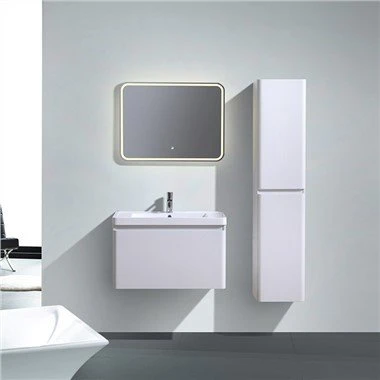
First, let’s get one thing straight: not all wobble is equal. A tiny bit of give when you tap the side is normal—floor standing cabinets are made to move a little with your house’s wood expansion, especially if you live in a super humid place like Florida or a dry area out in the Southwest. But if it rocks hard enough that you spill your morning coffee, or the doors won’t line up right because it’s leaning, that’s the stuff we’re fixing. Let’s start with the simplest checks first, because I’ve fixed so many cabinets in 10 minutes just by looking at these easy things.
Most of the time, the problem is the base. Floor standing cabinets sit on the floor, right? So if the floor itself isn’t totally level, or the cabinet’s feet are uneven, that’s your number one culprit. A lot of people skip leveling during installation, or they use those cheap plastic feet that crack after a year. Let’s fix that first. Grab a small level—you can even use the level on your phone if you don’t have a real one—and set it on the top of the cabinet (not just the shelf, the actual top panel). If it rocks, that’s the base. Now, look at the feet. Mine cabinets come with adjustable metal feet, not those flimsy plastic ones, because I learned a long time ago that plastic feet break and cause wobble. But if yours have plastic, swap ’em out—adjustable metal feet are like $5 a pop and they last forever. To adjust, just twist the foot under the cabinet until the level reads straight. I had a customer last week who had a pantry wobbling so bad his cereal boxes were falling over; he twisted two feet out just a quarter turn each, and it was solid. That’s it. No mess, no hassle.
Wait, but what if the floor is uneven, not the cabinet? Sometimes you’ve got a old house with warped subfloors, or a linoleum layer that’s bumpy, so even if your cabinet is level, it’s still rocking. The fix here is shimming, but not just shoving random cardboard under there (though I’ve definitely seen people do that—don’t). Use small wooden shims, cut to fit the gap between the cabinet base and the floor. Slide ’em in under the low side, tap ’em with a hammer until the cabinet is level, then cut off the excess with a utility knife. Pro tip: don’t use too many shims, that can make it wobblier later. One or two thin shims per corner is all you need. If it’s a really big gap (like more than half an inch), get thicker shims or double up on thin ones—no big deal, just make sure they’re snug.
Okay, if the base is totally level and it’s still wobbling, that’s a sign it’s not secured to the wall. This is the second most common mistake—people think floor standing cabinets don’t need wall anchors, right? Wrong. Even a 30-inch bathroom cabinet that’s just holding towels can tip if a kid climbs on it, let alone a 72-inch tall kitchen cabinet full of heavy dishes. And wall anchors are exactly what will stop the side-to-side wobble, not just front-to-back. Let me walk you through how to do this right, because I’ve seen so many people install them wrong too. First, pick the right screws: use wood screws, not drywall screws, because they grab into the wall studs way better. You need to find the studs—no, just guessing where they are isn’t gonna cut it. Grab a stud finder, they’re like $10 at the hardware store. Mark the studs with a pencil. Now, where do you put the screws? For tall cabinets, you want at least two per stud—one near the top of the cabinet, one near the bottom. If it’s a shorter cabinet, one per stud near the top works, but two is better. Here’s a trick I teach my installers: drill the pilot hole first, so the screw doesn’t split the cabinet’s frame. Don’t drive the screw all the way in right away—leave a little space, then adjust the cabinet until it’s tight against the wall, then finish driving. I had a guy contact me last month saying his new cabinet was wobbling, and when I asked if he secured it to the wall, he said he didn’t because “it’s on the floor.” Told him to pick up a stud finder and 2 ½ inch wood screws, and he texted me 10 minutes later saying it was solid. Game. Changer.
Wait, but what if you don’t want to drill into the wall? Maybe you’re a renter, or you just finished a fancy accent wall and don’t wanna mess it up. No worries, there’s a fix for that too—reinforcing the internal frame. Most floor standing cabinets, the good ones anyway (I only sell the good ones, not the cheap flat-packed garbage), have a internal frame made of ½ inch plywood. If yours has that, you can add a cross brace inside to stiffen it up. All you need is a piece of 1×2 wood, cut to fit the distance between the left and right internal side panels of the cabinet. Unscrew the back panel a little if you need to get in there, then screw the 1×2 to both side panels near the top and near the bottom. That’ll take away most of the side-to-side give. Another quick trick: add shelf supports that are screwed into the side panels, not just resting on the pins. I see so many people use the plastic shelf pins that come with cheap cabinets, and they pop out, making the shelves sag and the cabinet lean. If you swap those for metal shelf standards and brackets, not only are the shelves more stable, but they also add extra stiffness to the cabinet sides, cutting down on wobble.
Now, let’s talk about wear and tear over time, because even the best cabinets get beat up. If your cabinet has been around for a few years, the internal screws might have worked loose, right? Open the doors and drawers, grab a screwdriver, and tighten all the screws you can find—top of the frame, sides, where the back panel attaches. A lot of the time, loose internal screws are the quiet cause of that annoying rattle and slight wobble when you open a drawer. I once had a customer whose cabinet was 5 years old and wobbling so bad the doors wouldn’t close right; she tightened four internal screws, and it was like new. Also, check the back panel—if it’s a thin particleboard back, it might have warped a little. If that’s the case, you can add a small wooden brace across the back, screwed to the cabinet sides, to hold it flat and stiff. That’s a super easy fix, no experience needed.
Wait, what if it’s a super heavy cabinet, like a pantry full of cast iron skillets or gallons of water? Those are the ones that really stress the base. If that’s your situation, you can add a floor mounting bracket to the corners. These are L-shaped metal brackets that screw to the bottom of the cabinet and directly into the floor. Make sure you screw them into the subfloor, not just the finish floor, so they hold tight. For extra heavy cabinets, add two brackets per corner—one near the front, one near the back. That’ll distribute the weight way better, so it doesn’t rock even when you’re pulling out a heavy pot from the middle shelf. I installed one of these on a 84-inch pantry for a chef client last year, and he said it doesn’t move at all now, even when he’s standing on the bottom shelf to reach the top.
Let me also throw in a few mistakes people make that make wobble worse, so you can avoid those. First, don’t overstuff the cabinet. I get it, you wanna store all the things, but putting 20 pounds of stuff on a shelf that only holds 10 isn’t gonna do the cabinet any favors. It’ll make the sides bow a little, leading to lean and wobble. Second, don’t move the cabinet by the doors. That’s how people bend the hinges and warp the cabinet frame. If you need to shift it, grab the sides or the top panel, not the doors. Third, if you’re installing a new cabinet, don’t skip the leveling step. I tell all my customers that spending 5 minutes leveling during install saves you hours of fixing it later. Trust me, I’ve heard so many horror stories of people skipping that, and then their cabinet is wobbly within a month.
Now, let’s get real—if you’ve tried all these steps and it’s still wobbling, what gives? Well, maybe the cabinet wasn’t made right, or it’s a cheap one with thin frames that can’t be reinforced easily. That’s why I only sell floor standing cabinets built with thick solid wood or plywood frames, no particleboard garbage that warps after a year. If you’re looking for a cabinet that’s actually built to last and not go wobbly on you, hit me up. I can hook you up with custom sizes, any finish you want, and even help with installation tips if you need ’em. Whether you’re replacing a wobbly cabinet or starting a whole kitchen remodel, I’m here to make sure your cabinets stay solid for years.
Wait, let’s wrap this up quick. The main steps to fix a wobbly floor standing cabinet, in order of easiest to hardest: 1. Level the base with adjustable feet or shims, 2. Secure it to the wall with wood screws into studs, 3. Tighten all loose internal screws, 4. Add internal cross braces if it still wobbles, 5. Add floor brackets for heavy cabinets. That’s it. No fancy tools, no professional help needed for 90% of the cases I see.

I know how frustrating a wobbly cabinet can be—one minute you’re making coffee, the next your mug is sliding off the counter, or a drawer won’t close right, or your shoes are falling out of the closet cabinet you jammed them into. It’s such a small problem but it kills your vibe in the kitchen or bathroom. Don’t let that be you. If you’ve tried these tips and it’s still not working, or you’re in the market for a new floor standing cabinet that’s actually built to not wobble, reach out to me. I’m here to help, no sales pitch nonsense, just real advice from someone who’s been in the cabinet game for years.
Modern Bathroom Cabinet References:
- National Kitchen & Bath Association. (2022). Kitchen Cabinet Installation Best Practices.
- Woodworking Network. (2021). Reinforcing Floor Standing Cabinets for Stability.
- U.S. Department of Housing and Urban Development. (2020). Home Maintenance Guide for Cabinets and Fixtures.
Zhejiang Royal Home Co., Ltd.
As one of the most professional floor standing cabinet manufacturers and suppliers in China, we have world-leading production equipment and strong manufacturing capabilities. Please feel free to buy advanced floor standing cabinet made in China here from our factory. Customized orders are welcome.
Address: No.2001 Haicheng Road, Sanjia, Jiaojiang, Taizhou, Zhejiang, China
E-mail: sales01@royal-sanitary.com
WebSite: https://www.royalbathroomfurniture.com/
