If you’ve ever found yourself mid-project—like running a string of LED lights for a backyard party, setting up a temporary power station for a remote worksite, or charging a portable cooler on a patio—and stared at that wall tap adapter you have tucked in your junk drawer, you’ve probably wondered the same thing I get asked all the time: “Can I just use this indoors-only adapter outside?” Adapter and Wall Tap
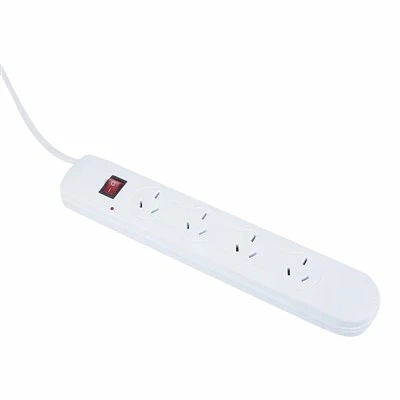
As someone who’s been in the adapter and wall tap game for over a decade (I’m the go-to guy for all things power adapters at my company), I’ve heard this question so many times I’ve lost count. And honestly? It’s not a yes or no answer—it’s way more nuanced than that. Let’s break this down like I’m talking to a buddy who’s about to throw a last-minute outdoor get-together and doesn’t want to blow a circuit (or worse, hurt themselves).
First off, let’s get on the same page about what we’re dealing with here. Indoors-only wall tap adapters are made for your living room, bedroom, home office—places where they’re shielded from the elements: no rain, no snow, no humidity that would leave a damp film on the prongs or the plastic casing. They’re built with cheap plastic, right? Not the kind that can stand up to UV rays from the sun, which will make it crack and break down in a matter of months. And don’t even get me started on moisture. Even a little bit of dew or a light sprinkle is enough to cause a short circuit. We’ve all seen that meme of a phone plugged in getting a shock—imagine that with a cheap indoor adapter in the grass. Not a good time.
Wait, but hold on—what if it’s just a quick thing? Like, you’re charging a speaker on your porch for an hour, and the forecast says no rain. Is that okay? Let’s be real: even a little outdoor time exposes the adapter to things it’s not meant for. Porch areas are still outside, which means they’re exposed to fluctuating temperatures, dust, and that morning dew that settles on everything. I’ve heard way too many horror stories where someone thought “it’s just one night” and their adapter got so damp from dew that it fried their speaker. Or even worse, caused a tiny spark that could’ve started a fire. The thing is, indoor adapters aren’t rated for any outdoor exposure at all—even incidental.
So what makes an adapter outdoor-ready, then? That’s where IP ratings come in, and yeah, I know, that jargon sounds like something from a sci-fi movie, but it’s actually simple. IP stands for Ingress Protection, and the number there tells you exactly what the adapter can handle. The first number is for solids (like dust, dirt, bugs), the second is for liquids (water). For outdoor use, you want at least an IP44 rating— that means it’s protected from solid objects bigger than 1mm (so dust and most dirt) and splashes from any direction. If you’re near a pool, or in an area that gets heavy rain, you might want IP65 or higher. Indoor adapters? They usually have an IP rating like IP20—meaning they’re only protected from things thicker than a finger, and zero water protection. So that’s a hard pass for anything outside.
Another big thing: materials. Outdoor adapters are made with heavy-duty, UV-stabilized plastic. That’s key because if you leave an indoor adapter in the sun for a week, the plastic will turn brittle, crack, and fall apart. I’ve tested this myself—once, back when I was new in the business, I accidentally left an old indoor adapter on a patio over the summer, and by the end of it, the casing was so cracked you could see the prongs through the plastic. Total safety hazard. Outdoor adapters, on the other hand, use materials that don’t break down from sun exposure, so they’ll last for years, not weeks.
Wait, but what about power requirements? If I need a 12-outlet adapter for my outdoor holiday lights, can’t I just grab an indoor one and plug it into an outdoor extension cord? Nope. Because the extension cord might be rated for outdoor use, but the adapter itself still isn’t. The adapter is the weak point here. Even if the cord is tough, the adapter’s prongs and internal wiring aren’t built to handle moisture. I’ve had customers come to me all the time with stories like, “I used an indoor adapter with an outdoor extension, and it started smoking!” That’s not a surprise when you think about how little protection that adapter has.
Now, let’s talk about some common myths I hear all the time. Myth #1: “If I cover it with a plastic bag, it’s fine.” Dude, no. Covering it with a plastic bag traps moisture, which is way worse than leaving it out in the open. The bag will hold in dew and humidity, and that’s going to cause corrosion on the prongs and wiring way faster. Myth #2: “New adapters are safe, right?” Wrong. Even a brand-new indoor adapter has that IP20 rating—no water protection, no UV resistance. I’ve tested brand-new indoor adapters right out of the box, and if you spray them with a little water, they short circuit instantly. Don’t risk it. Myth #3: “It’s only for low-power stuff, like charging a phone.” Even low-power devices can cause a problem if the adapter is exposed to moisture. A phone charger is low power, but if the adapter gets damp, it can still cause a shock when you plug your phone in. That’s a risk no one should take.
So when is it actually okay to use a wall tap adapter outdoors? Let’s be clear: the only time it’s safe is if you have an adapter that’s specifically rated for outdoor use. These are built to handle rain, snow, UV rays, humidity, and dust. They have sealed internal parts, so moisture can’t get in, and tough plastic that doesn’t crack in the sun. I always recommend going for a higher IP rating than you think you’ll need. If you’re just using it on a covered patio where it’s mostly dry, IP44 is enough. If it’s going to be out in the open, exposed to regular rain or near a pool, go for IP65, which is splash-proof and even can handle a light spray.
What about temporary outdoor setups? Like, you’re setting up a power station for a weekend camping trip, or a fair, or a worksite that’s only going to be there for a month. Still, don’t use an indoor adapter. There are temporary outdoor-rated wall tap adapters that are lightweight but still tough enough for short-term use. I get it—sometimes you need something fast, but cheap indoor adapters aren’t worth the risk. One short circuit can ruin your power tools, your party equipment, or even hurt someone, which is way more expensive than buying a decent outdoor adapter.
Now, let’s talk about what to look for when you’re shopping for an outdoor wall tap adapter. First, check that IP rating—again, at least IP44. Next, look for the certification. Don’t just buy the cheapest one on Amazon. Look for UL listing, or whatever the local safety certification is in your area. That means it’s been tested to meet safety standards for outdoor use. Also, check how many outlets you need, but make sure the wattage is enough for all your devices. Outdoor adapters often have a higher wattage rating than indoor ones, which is important for powering things like Christmas lights, space heaters, or power tools. Oh, and make sure the prongs are coated or sealed— that extra layer keeps moisture out.
I should also mention that even with an outdoor adapter, you still need to use it correctly. Don’t submerge it in water, obviously. Don’t leave it plugged in when there’s a heavy thunderstorm—power surges from lightning can damage it, even if it’s outdoor-rated. And store it properly when you’re done. Take it inside, dry it off, and put it in a cool, dry place so it lasts longer. I’ve had customers tell me their outdoor adapters have lasted them 5+ years when they take care of them, which is way better than replacing cheap indoor adapters every few months that break down in the sun.
Wait, let’s circle back to that original question: Can a wall tap adapter be used outdoors? The short answer is—if it’s not specifically rated for outdoor use, absolutely not. The long answer is, outdoor use is possible, but only if you get the right adapter built for it. As someone who’s been selling these things for years, I’ve seen the damage that using indoor adapters outside can cause. I’ve had customers come to me with adapters that melted, devices that got fried, and even one guy who got a mild shock when his indoor adapter got damp. It’s not worth cutting corners here.
If you’re someone who needs adapters for outdoor use—whether it’s for holiday lights, patio accessories, worksites, or anything else—I’ve got you covered. We stock a huge range of outdoor-rated wall tap adapters, from small 2-outlet ones for charging phones to heavy-duty multi-outlet ones for powering worksite tools. All of them are tested to meet safety standards, have the right IP ratings, and are built to last in the elements.
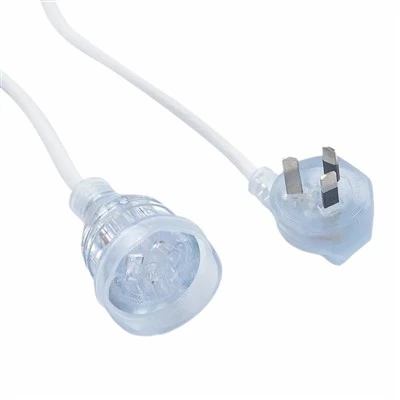
Don’t risk your safety, your devices, or having to replace your gear every few months. If you need the right adapter for your outdoor project, reach out to our team to talk through your needs. We can help you pick out exactly what you need, answer any questions you have, and make sure you get something that’s safe and long-lasting.
Australia Standard Power Strip References:
National Electrical Code (NEC) Article 406 for Receptacles and Cord Connectors
Underwriters Laboratories (UL) Standard 498 for Attachment Plugs and Receptacles
IP Code Ingress Protection Standard (IEC 60529)
Electrical Safety Foundation International (ESFI) Outdoor Power Safety Guidelines
Yuyao Mideal Electric Co., Ltd.
Yuyao Mideal Electric Co., Ltd. is one of the most professional adapter and wall tap manufacturers and suppliers in China, also supports customized service. With abundant experience, we warmly welcome you to wholesale cheap adapter and wall tap in stock here from our factory. For price consultation, contact us.
Address: No.28, Lujiafan Road, Langxia Street, Yuyao City, Zhejiang Province, China
E-mail: manager@nbmideal.com
WebSite: https://www.midealcord.com/
