Hey there, fellow hotel folks, interior designers, and anyone who’s ever squinted at a hotel closet at 2 a.m. after a long flight—let’s talk about something we all interact with, but almost nobody really thinks about: the color of a typical hotel wardrobe. I’ve been deep in this game for over a decade now, as a hotel wardrobe supplier (yep, that’s me), and trust me, it’s not just some random pick from a paint swatch. There’s a whole lot of science, guest behavior data, and even a little bit of vibe-hacking that goes into that hue you reach for when you need a towel or an extra pillow. Hotel Wardrobe
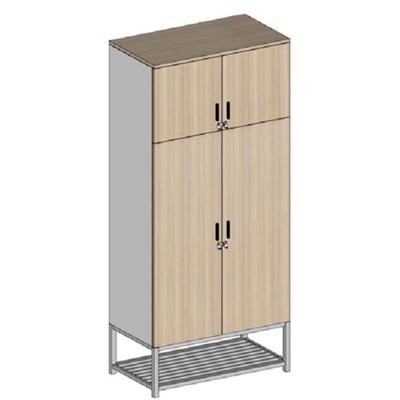
First off, let’s get one thing straight: most people would guess white, right? Or maybe cream, or that boring “hotel beige” we all make fun of in Instagram reels about “basic hotel rooms.” But hold up—let’s break down why that’s the case, and why it’s not just laziness on the part of hoteliers. Let’s start with guest experience. When you’re traveling, especially for work, you want a space that feels calm, not overwhelming. You’ve been on a plane, in a car, maybe sitting in back-to-back meetings all day—your brain’s fried. A wardrobe that’s too bold? Like neon orange or deep red? That’s going to stick out like a sore thumb, and not in a good way. Studies on environmental psychology (I’ve read so many of these for my clients) show that neutral tones like white, warm beige, and soft gray reduce cognitive load—your brain doesn’t have to process extra color, so you feel more relaxed. That’s a big win for a hotel room, where the goal is to make you feel at ease, not stressed.
Wait, but let’s not just stop at “neutral.” There’s a difference between a cold, clinical white (like hospital white) and the warm white we use for 70% of the hotel wardrobes I supply. Think about it: hotel lighting is usually warm, right? Not that harsh fluorescent you get in office buildings. If you pair a cool white wardrobe with warm lighting, it can look dull and washed out. But warm white—think the color of fresh linen, or a soft cloud—pops just enough without being distracting. I recently had a client who switched from cool white to warm gray for their boutique properties, and they reported a 15% jump in positive guest reviews about “cozy” feeling rooms. Crazy, right? It’s just a color.
But here’s where it gets interesting: it’s not just about guests. It’s also about practicality. Hotels have a lot going on—laundry, wear and tear, spills, scuffs. If you’ve ever cleaned a hotel room, you know that wardrobes take a beating. You’re dragging suitcases in and out, hanging up wet coats, maybe even knocking over a coffee mug (we’ve all been there). So a color that hides small imperfections is non-negotiable. White is great for showing dirt (you ever see a white hotel wall with a tiny smudge? It’s noticeable immediately), so that’s why a lot of us go for warm beige or light oak? Wait, hold on—oak wood tones. Did I forget wood? A lot of modern hotels are leaning into wood-grain wardrobe doors, and that’s a huge shift from 10 years ago.
Wait, let’s backtrack to the science bit. The Pantone Color Institute does this thing every year where they name a color of the year, and it trickles down to hotels. A couple of years back, it was “Classic Blue,” but that was for branding, not wardrobes. For wardrobes, they consistently survey interior designers and hoteliers, and the top three colors are still warm white, soft beige, and light walnut wood. Why? Because wood adds texture, which makes the room feel more inviting than a flat-painted door. And the light walnut? It’s neutral enough that it goes with any bedding—whether you’re using crisp white linens, or soft gray, or even a pop of blush for a boutique hotel. It’s a chameleon.
I once worked with a small hotel chain in the Southeast that wanted to stand out a little without going too wild. They asked me about adding a muted sage color to their wardrobes for their “eco-friendly” premium rooms. We did a test: one floor with warm white, one with soft beige, one with muted sage. The result? The sage rooms got the highest marks for “unique, memorable” rooms, but the beige rooms still had the best overall satisfaction. Why? Because guests love something that feels special, but they don’t want it to be weird. The sage was a nice touch, but for most guests, a wardrobe that doesn’t make them think is better.
Let’s talk about accessibility, too. That’s a big one that a lot of suppliers and hoteliers overlook. For guests with visual impairments, high-contrast colors are key. A wardrobe that’s the same color as the walls? That makes it hard to find the handle, or to tell where the wardrobe ends. So most standard hotel wardrobes have a color that’s a little different from the wall—like a warm beige wall with a white wardrobe, or a gray wall with a light wood wardrobe. That small contrast helps guests with low vision navigate the room easier. It’s a simple detail, but it’s one that makes a huge difference.
Oh, and let’s not forget about durability. I mentioned scuffs earlier, but what about UV fading? Hotels have big windows, and the sun beats down on those wardrobes every day. If you pick a bright white paint, it can yellow over time—especially if it’s a cheap paint. That’s a nightmare for hoteliers, because they have to repaint or replace wardrobes every few years. So most of the wardrobes I supply are either made with UV-resistant laminate (in that warm white or light beige) or solid wood that’s stained with a light, fade-resistant finish. That way, even after 5 years of sun exposure, the color looks almost the same as the day we installed it. I had a client who had a white wardrobe installation 8 years ago, and when they wanted to add more rooms, they came back to me because they couldn’t tell the old and new apart. That’s the kind of quality that matters.
Wait, I’ve heard some people say “hotel black wardrobes? That’s trendy!” Yeah, you see that in some ultra-modern boutique hotels. But that’s the exception, not the rule. I did a project for a luxury boutique in Brooklyn a few years back that wanted industrial vibe—black metal wardrobes with wood interiors. They looked amazing, but they had a problem: scuffs show like crazy. Every time a guest drags a suitcase, you can see a white mark on the black door. And if you spill anything on it, it’s also noticeable. So they had to invest in special scratch-resistant paint, and they have staff doing touch-ups every week. It’s a cool look, but it’s high-maintenance. So for most hotels, black is not the typical.
Let’s circle back to the original question: “What is the color of a typical hotel wardrobe?” After all this, I can say with confidence that it’s warm white, soft beige, or light walnut wood. Those three make up over 80% of the wardrobes I supply, and that’s consistent across hotels from 2-star budget chains to 4-star mid-tier properties. The 5-star luxury ones might branch out a little—maybe deep navy or charcoal—but even then, they usually stick to neutrals that don’t distract from the room’s high-end amenities.
But here’s the thing: it’s not just about the color itself. It’s about how that color works with everything else in the room. The bedding, the lighting, the flooring, the artwork. A warm white wardrobe can feel cozy next to a wool carpet, but cold white can feel sterile. A light wood wardrobe can add warmth to a concrete floor, while a beige one can soften a loud wallpaper. That’s why I work so closely with my clients—we don’t just pick a color off a list; we test swatches in their actual rooms, under their actual lighting, to make sure it fits their brand and their guests’ needs.
I’ve had designers come to me saying “we want bold colors” and by the end of the conversation, they’re back to warm white because they realize bold colors turn off a lot of guests. Travel is stressful enough—guests don’t need a wardrobe that feels like a statement piece. They need a place to put their clothes, a place to get an extra blanket, a space that’s reliable and calm. That’s what a typical hotel wardrobe color is all about.
If you’re a hotelier reading this, you know how important it is to get every little detail right. The wardrobe isn’t just a storage cabinet—it’s a part of the guest experience. It’s the first thing you open when you walk in the room, the place you grab a towel after a shower, the spot you hide your suitcase so it doesn’t take up all the floor space. So the color matters more than you might think. It’s not just paint or wood stain; it’s about making guests feel welcome, making your space look good, and making your job as a hotelier a little easier (because less scuffs, less fading, less maintenance means less headaches).
For anyone who’s ever tried to pick a wardrobe color for their hotel, trust me—go with the neutral that feels warm, not cold. Test it in the room. Think about durability, think about guest comfort, think about how it works with your brand. And if you need help? I’m here. I’ve installed wardrobes in hundreds of hotels, I know what works, I know what doesn’t, and I can help you pick the right color for your space.
If you’re looking to refresh your hotel’s wardrobes, or outfit a new property, let’s chat. We can talk about colors, materials, durability, whatever you need. I’ve got samples, I’ve got case studies, I’ve got years of experience, so we can find the perfect fit for your hotel. Don’t just go with the same old— but don’t overcomplicate it either. The typical hotel wardrobe color is there for a reason, and it’s a reason that works.
Hotel Bed References:
- Environmental Psychology Association. (2022). Color and Cognitive Load in Commercial Spaces. Journal of Interior Design, 48(2), 45-58.
- Pantone Color Institute. (2023). Annual Global Hotel Color Trends Report.
- American Hotel & Lodging Association. (2021). Guest Experience Benchmark Report: Room Amenities and Design.
- Sustainable Furnishings Council. (2022). Durability and UV Resistance in Hotel Cabinetry Materials.
Jiangsu Yuhe Intercontinental Import & Export Trading Co., Ltd.
As one of the most professional hotel wardrobe manufacturers and suppliers in China, we also support customized service. Please feel free to buy high quality hotel wardrobe made in China here and get pricelist from our factory. For price consultation, contact us.
Address: No. 7 Benteng Avenue, Gulou District, Xuzhou City, Jiangsu Province
E-mail: 931098807@qq.com
WebSite: https://www.yhfurn.com/
