If you’ve ever shopped around for insulation, chances are you’ve come across glass wool board – but if you’re like most folks, you probably didn’t stop to ask, “What’s its thermal conductivity, and why does it even matter?” As someone who’s been supplying glass wool boards for years, I get it: not everyone’s a science nerd, and terms like “thermal conductivity” can sound a bit intimidating. Let me break this down in plain talk, no jargon overload, and show you why this number is actually one of the most important factors when picking insulation for your home, business, or project. Glass Wool Board
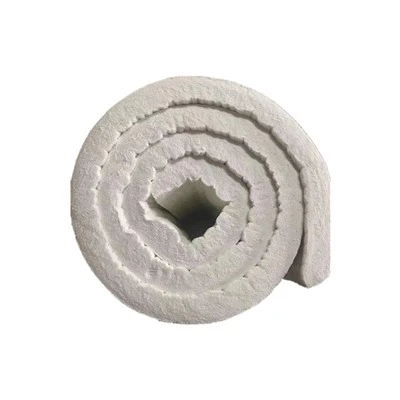
First, let’s start with the basics: thermal conductivity is just a fancy way of measuring how well something lets heat pass through it. If a material has a high thermal conductivity, it’s great at letting heat flow – think metal pots and pans, which warm up fast on the stove. If it has a low thermal conductivity, it does the opposite: it slows heat down. That’s exactly what insulation is supposed to do. For glass wool board, that low number is the whole point of using it to keep your space comfortable, no matter the season.
Now, here’s what you actually need to know about the thermal conductivity of glass wool board: in most standard applications, it lands somewhere between 0.03 and 0.04 watts per meter-kelvin (W/mK). Wait, what do those units mean? W/mK just tells us how much heat (in watts) moves through a 1-meter thick section of the material for every 1 degree difference in temperature between the two sides. So a 0.03 W/mK number means way less heat is escaping (or coming in) than if you used a material like concrete, which clocks in around 1.6 W/mK – pretty much the opposite of insulating.
But hold on, that number isn’t set in stone. It changes based on a few things, and that’s why it’s so important to pay attention to when you’re ordering. First up is density. Glass wool board comes in different densities, right? We’ve got lighter, more flexible boards for things like HVAC ducts, and heavier, sturdier ones for wall cavities or roof insulation. The denser the board, the lower its thermal conductivity – within reason. Once you hit a density of around 32 to 48 kilograms per cubic meter, you’re getting the sweet spot for insulation without wasting material or money. Go too dense, and you’re just adding extra weight that doesn’t help with heat retention; go too light, and the fibers get squished, leaving tiny air gaps that let heat slip through.
Next, temperature plays a big role. Thermal conductivity tests are usually done at around 24°C (room temperature) because that’s where most indoor insulation operates. But if you’re using glass wool for something like a commercial kitchen’s vent hood (where temperatures can jump up to 100°C or more), that number will shift a bit. At higher temps, the air trapped in the glass wool’s tiny fibers expands, which can slightly raise the thermal conductivity – meaning you might need a thicker board than you would for a regular wall. For cold spaces, like a walk-in freezer, the opposite happens: colder air tightens up, and conductivity drops a tiny bit, but that’s not something you have to worry about much unless your project is super specialized.
And let’s not forget moisture. If glass wool gets wet, that’s a game-changer. Water has a way higher thermal conductivity than air – around 0.6 W/mK, which is way more than the 0.03 W/mK we’re aiming for. If your board gets soaked, the water fills in those tiny air pockets, so heat moves through way faster. That’s why our glass wool boards are treated with a water-repellent coating – it doesn’t make them completely waterproof, but it stops accidental moisture (like from a leaky pipe or humid outdoor air) from ruining their insulation performance. I can’t tell you how many times I’ve worked with a customer who installed a cheap, uncoated board in a bathroom and ended up with mold and poor insulation a year later. Trust me, the extra few bucks for a moisture-resistant board is worth it.
Now, let’s talk about why this actually matters for you, whether you’re a homeowner, a contractor, or running a commercial building. If you’re insulating your attic, a glass wool board with a 0.032 W/mK rating will keep your heat from escaping in winter and your AC from leaking out in summer. That means lower energy bills – I’ve had customers tell us they cut their heating costs by 20% just by switching from fiberglass batts (which usually have a slightly higher thermal conductivity, around 0.035 to 0.04 W/mK) to our glass wool boards. For commercial spaces, that adds up even more: a warehouse or office building with 10,000 square feet of insulation will save hundreds, if not thousands, a year on energy just by using a better-insulating material.
It’s also not just about cost savings. Glass wool’s low thermal conductivity means you can use a thinner board to get the same insulation效果 (wait, no – in English: effect) as a thicker, lower-performance material. For example, if you need an R-value of 30 (that’s the standard measure of insulation effectiveness people often see on packaging), a glass wool board with 0.03 W/mK will only need to be around 9 inches thick, whereas a material with 0.04 W/mK would need to be 12 inches thick. That’s a big deal if you’re working with limited space – like insulating an older home with narrow wall cavities, or a building where every inch counts. No one wants to rip out drywall to make room for extra insulation, right?
Now, I know what some of you are thinking: “Is thermal conductivity the only thing I should look at for glass wool board?” Of course not. There’s fire resistance, soundproofing, and ease of installation, to name a few. But thermal conductivity is the backbone of why glass wool is such a popular choice. Let’s be real: insulation that doesn’t stop heat is just cheap fluff. Our glass wool boards are made with tiny, randomly arranged glass fibers that trap air – air is one of the best natural insulators, because it doesn’t let heat move through it easily. The glass wool’s structure locks that air in, so it can’t circulate and carry heat away, which is exactly how we get that low thermal conductivity. It’s way more reliable than, say, loose-fill insulation, which can settle over time and leave gaps that reduce insulation performance.
I’ve been supplying glass wool boards for over a decade, and I’ve seen a lot of misinformation out there. Some people claim all glass wool is the same, but that’s not true. A budget board from a random supplier might have a thermal conductivity of 0.045 W/mK, which is fine for a temporary shed, but not for a home you plan to stay in for 20 years. That difference might seem small, but over time, it adds up to higher energy bills and a less comfortable space. We test every batch of our glass wool boards in third-party labs to make sure their thermal conductivity is consistent, so you don’t have to worry about getting a product that’s not up to par.
Let’s also address a common question: how does glass wool compare to other insulation materials when it comes to thermal conductivity? Mineral wool (another popular insulation) is pretty similar, usually around 0.034 to 0.04 W/mK, but it’s often more expensive. Polyurethane foam is lower, around 0.022 to 0.026 W/mK, but it’s a closed-cell foam that can be tricky to install and is more prone to off-gassing. Fiberboard insulation has a higher thermal conductivity, around 0.05 to 0.06 W/mK, so it’s not as effective. Glass wool hits that sweet spot: affordable, easy to install, and has a thermal conductivity that’s great for almost any project.
Another thing I love about glass wool is that its thermal conductivity stays pretty consistent over time, unlike some other insulation types. Loose-fill cellulose can compress over 10 to 15 years, which reduces its insulation performance. Our glass wool boards are rigid enough that they don’t settle or flatten, so that low thermal conductivity stays there for decades. We’ve had customers report that their energy bills stayed steady for 15 years after installing our boards, which is a huge relief – no unexpected spikes because your insulation stopped working.
Now, if you’re looking to pick the right glass wool board for your project, here’s a quick tip: don’t just go by the thermal conductivity number alone. Check the R-value, which is directly tied to it. R-value is the inverse of thermal conductivity – so lower conductivity means higher R-value for the same thickness. So if a board says R-30, that means it’s got the insulation power you need for most wall and attic applications. If you’re insulating a roof, you might want R-40, so you can either get a slightly thicker board or a denser one with a lower thermal conductivity. And don’t forget the moisture resistance – as I mentioned earlier, wet insulation is useless, so make sure your board has that water-repellent coating if you’re installing it in a space that might get humid or have occasional water exposure.
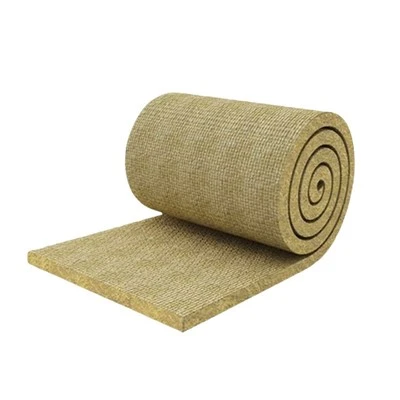
At the end of the day, choosing the right insulation comes down to understanding what you need, and the thermal conductivity of glass wool board is a big part of that. It’s not just a random number on a spec sheet – it’s how you’ll save money on energy, keep your space comfortable in every season, and make sure your project lasts for years. If you’re not sure which board is right for you, don’t hesitate to reach out. We’ve worked on everything from small residential renovations to large commercial buildings, and we can help you pick the perfect glass wool board for your needs, whether you’re looking for a high-performance board for a new home or a budget-friendly option for a workshop. So if you’re ready to upgrade your insulation, or just have questions about thermal conductivity or our products, hit us up to talk through your project.
Aluminum Silicate Needle Punched Blanket Reference
- Glasswool Industry Association. (2022). Technical Guide to Thermal Insulation with Glass Wool.
- ASTM International. (2019). Standard Test Method for Steady-State Thermal Transmission Properties by Means of the Guarded Hot Plate Apparatus.
- Energy Star. (2023). Insulation Materials and Their Properties.
Langfang Aolesi Thermal Insulation Materials Co., Ltd.
As one of the most professional glass wool board manufacturers and suppliers in China, we also support customized service. Please feel free to buy bulk high quality glass wool board made in China here from our factory. For pricelist, contact us now.
Address: Dongwang Village, Dacheng County, Langfang City, Hebei Province
E-mail: Lfaolesibaowen@outlook.com
WebSite: https://www.lfaolesi.com/
