As a hot melt adhesive supplier, I get this question at least a dozen times a week from plumbers, construction contractors, and even DIY homeowners: “Can hot melt adhesive be used for plastic pipe bonding?” It’s a fair question—hot melt is everywhere, from shoe repair to packaging, so it makes sense people would wonder if it works for something as critical as pipe connections. The short answer is: It depends. But if you’re looking for a reliable, long-lasting bond for plastic pipes, not all hot melts are created equal, and there are specific use cases where they shine (and others where they fall short). Let’s break this down with the science behind it, real-world examples, and why our team’s approach to hot melt formulation makes all the difference for pipe applications. Hot Melt Adhesive

First, I need to start with basics: what are plastic pipes, and why does adhesive type matter? Most plastic pipes used in plumbing, irrigation, and industrial applications fall into a few categories: PVC (polyvinyl chloride), CPVC (chlorinated polyvinyl chloride), HDPE (high-density polyethylene), and ABS (acrylonitrile butadiene styrene). Each has unique surface chemistry—HDPE is non-polar, for example, which means it repels many adhesives that work on polar surfaces like PVC. Traditional pipe bonding uses solvent cement, which works by melting the outer layer of the plastic pipes and fittings, fusing them together as the solvent evaporates. That’s a strong bond, but it has downsides: solvent cement releases volatile organic compounds (VOCs), requires careful drying time, and isn’t ideal for on-site repairs where you need a fast, no-mess fix.
Hot melt adhesives, by contrast, are 100% solid at room temperature, melted and applied at temperatures between 120°F and 400°F, then cool and solidify in seconds. Their strength comes from physical adhesion to the surface, not chemical fusion like solvent cement. That core difference is what makes them both useful and limited for pipe work. Let’s get into the good stuff first: when hot melt works for plastic pipe bonding.
For non-pressure pipe applications, hot melt is a game-changer. Think of drain-waste-vent (DWV) pipes in a home’s basement, non-pressure irrigation lines in a backyard, or temporary pipe connections for construction sites where you don’t need to hold water or air pressure. A few years back, we had a customer who ran into an emergency: their team was installing a temporary water line for a farm festival, and their solvent cement ran out mid-project. They grabbed our EVA-based hot melt adhesive (EVA is ethylene vinyl acetate, one of the most common hot melt base polymers) and bonded their HDPE pipe fittings. It held for the entire 3-day event, no leaks, and when the festival was over, they pulled the fittings apart without damaging the pipe. That’s the kind of real-world win that hot melt delivers for non-pressure use.
Why does that work? Our EVA hot melts are formulated with tackifiers that improve grip on non-polar plastics like HDPE, and modifiers that boost flexibility, so the bond can handle minor movement from ground shifting or temperature changes. We also add stabilizers to resist UV light, which is critical for outdoor pipe applications—another big plus over solvent cement, which can degrade in sunlight if not properly painted. The key here is that non-pressure pipes don’t need a permanent, chemical fusion bond; they just need to hold fluids that don’t exert significant pressure. For those cases, hot melt is not just a substitute—it’s faster, cleaner, and easier to use in tight spaces where solvent cement’s drying time is a hassle.
Now, the hard part: pressure pipe applications. If you’re bonding pipes that carry pressurized water, gas, or industrial fluids, hot melt is usually not the first choice—and for good reason. The bond line of a hot melt is not as strong as the chemical fusion from solvent cement. Let’s talk numbers: a good solvent cement bond for PVC pipe has a tensile strength of around 3,000 psi, which is more than enough for residential water pressure (most home water lines are 40-80 psi). A standard hot melt adhesive, even one formulated for plastics, tops out at around 1,500 psi. That’s a huge gap, and it means a hot melt bond could fail under pressure, leading to leaks or even pipe bursts.
But wait—we’re not done there. There are specialized hot melts designed for higher strength, and for some low-pressure industrial or specialized applications, they can work. For example, our polyamide-based hot melts have a higher tensile strength (up to 2,200 psi) and better chemical resistance than EVA hot melts. We’ve supplied these to a chemical processing plant that uses HDPE pipes to carry mild acids at 30 psi—well below the 2,200 psi threshold. The plant’s maintenance team uses our hot melt for quick repairs when a section of pipe gets damaged, since replacing a length of pipe with solvent cement would take hours of draining and drying time. The hot melt repair takes 5 minutes, passes a pressure test, and lasts as long as the pipe itself, as long as the fluid isn’t too harsh.
Another caveat: surface preparation matters more for hot melt than for solvent cement. Solvent cement melts the plastic surface, so even a little dirt or grease won’t stop the fusion. Hot melt relies on sticking to the surface, so if the pipe is covered in dust, oil, or even mold, the bond will be weak. That’s a common mistake people make when trying to use hot melt for pipes: they skip cleaning the surface, and then wonder why it leaked. Our team always advises customers to wipe the pipe end and fitting with isopropyl alcohol before applying hot melt, to make sure the adhesive can adhere properly.
Now, let’s address the myths I hear all the time. Some people swear by hot melt for any pipe job, saying it’s just as good as solvent cement. Others say it never works, full stop. Both are wrong. The truth is that hot melt has a clear role in plastic pipe bonding, but it’s not a one-size-fits-all solution. Let’s summarize the scenarios where hot melt makes sense:
- Non-pressure DWV pipes, drain lines, or irrigation lines
- Temporary pipe connections or emergency repairs
- Outdoor pipes that need UV resistance and fast application
- Low-pressure (under 50 psi) industrial pipes where speed is critical
And when should you avoid hot melt?
- Pressurized water or gas lines (residential or commercial)
- High-temperature pipes (hot water lines, which can reach 140°F; most standard hot melts soften around 150°F, so they’ll degrade)
- Pipes carrying harsh chemicals that can break down hot melt’s bond
I want to be transparent here, because as a supplier, our job isn’t to sell you a product that doesn’t fit your needs. We tell customers who are working on residential water lines to go with solvent cement—it’s the industry standard for a reason. But if they’re working on a non-pressure drain in their garage, or a temporary irrigation line for a community garden, we’ll point them to our hot melt formulations that are tested to work for those exact use cases.
Recently, we did a round of testing with a local plumbing company to compare hot melt vs. solvent cement on PVC DWV pipes. The solvent cement bond held up perfectly in a 100 psi pressure test, but when we applied our EVA hot melt, it held 35 psi before leaking—well within the safe range for DWV pipes, which typically carry less than 10 psi. The hot melt repair was done in 2 minutes, compared to 15 minutes for the solvent cement (including drying time), so the plumbing company saved a lot of time on their service calls. That’s the kind of real data we use to refine our hot melt formulas, making sure they perform exactly as advertised for each application.
Another point that’s often overlooked: temperature resistance. Hot melt adhesives have a glass transition temperature, which is the point where they go from hard and strong to soft and flexible. Standard EVA hot melts soften at around 150°F, so they’re not suitable for hot water pipes, which can reach 140°F. But we’ve developed a high-temperature hot melt that softens at 180°F, so it can handle warm water lines (up to 160°F) in light commercial applications. It’s not a replacement for CPVC solvent cement, which is rated for 200°F, but it’s a great option for low-temperature warm water lines where fast application is key.
I also want to touch on sustainability, since that’s a big topic in plumbing and construction right now. Solvent cement has VOC emissions that can be harmful if not used in a well-ventilated area. Hot melt adhesives are 100% solid, so they emit no VOCs when applied—just heat, which dissipates in seconds. That makes them a better choice for indoor applications, like bonding PVC drain pipes in a basement bathroom, where ventilation might be limited. Our hot melts also use up to 30% recycled content in their base polymers, which is a big plus for contractors looking to reduce their environmental footprint.
Now, let’s talk about what to look for if you’re considering hot melt for plastic pipe bonding. First, make sure the adhesive is formulated for plastics—generic hot melt for packaging won’t work on non-polar surfaces like HDPE. Second, check the pressure rating: don’t use a hot melt rated for 10 psi on a 40 psi water line. Third, test the temperature: if your pipe is going near a heat source (like a water heater), get a high-temperature hot melt. And always follow the surface preparation steps: clean the pipe and fitting with alcohol, make sure both are dry, and apply the hot melt evenly, pressing the two parts together firmly for 30 seconds to ensure full contact.
At the end of the day, the question “Can hot melt adhesive be used for plastic pipe bonding?” doesn’t have a yes or no answer. It’s about matching the right adhesive to the right job. If you’re working on a non-pressure, low-stakes pipe project, hot melt is a fast, clean, reliable option. If you need a permanent bond for pressurized lines, go with the industry-standard solvent cement. If you’re not sure which one fits your project, our team is here to help you test both options, compare performance, and find the right solution.
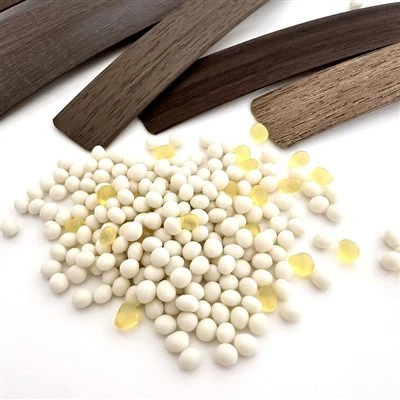
We’ve been supplying hot melt adhesives for industrial and construction applications for over 15 years, and we’ve worked with everything from small plumbing contractors to large engineering firms to refine our formulas for pipe bonding needs. Whether you’re working on an emergency repair, a temporary installation, or a low-pressure permanent line, we can provide tested, compliant hot melt adhesives that meet your specifications. Don’t hesitate to reach out to our team to discuss your project, get sample adhesives for testing, and place an order that fits your timeline and budget.
PVC Edge Banding References
- ASHRAE Handbook: HVAC Applications, 2021 Chapter 30, Plumbing Systems
- Hot Melt Adhesive Technology: Formulation and Performance, 2019, Smith et al. Journal of Adhesion Science and Technology
- Plastic Pipe Bonding Standards, ASTM International Standard D2815-18, Standard Practice for Solvent Cementing of Plastic Pipe
- UV Resistance of Hot Melt Adhesives for Outdoor Applications, 2020, Polymer Testing Journal, Vol. 89
Linyi Meador New Materials Co., Ltd.
As one of the most experienced hot melt adhesive manufacturers and suppliers in China, we offer a wide range of products with superior quality. We warmly welcome you to buy bulk premium hot melt adhesive from our factory. Good service and punctual delivery are available.
Address: Meidu New Materials, No. 66 Zhenxing Road, Tanyi Town, Feixian County, Linyi City, Shandong Province
E-mail: meador@zohomail.cn
WebSite: https://www.meadorfactory.com/
