Hey there, let’s cut to the chase: if you’ve ever found yourself sneaking through the middle of the night, scratching your legs after curling up on an old mattress, or Googling “why do my allergies get worse in bed?” you’ve probably wondered if handcrafted mattresses resist dust mites. As someone who’s been making handcrafted mattresses for over a decade now, I get it—dust mites feel like a weird, uninvited houseguest that just won’t leave, and everyone has a hot take on whether they’re actually a problem, or if fancy mattress builds can fight back. Let’s break this down like we chat over coffee, no jargon, no fluff, just the real science, and what actually happens with handcrafted beds. Handcrafted Mattress
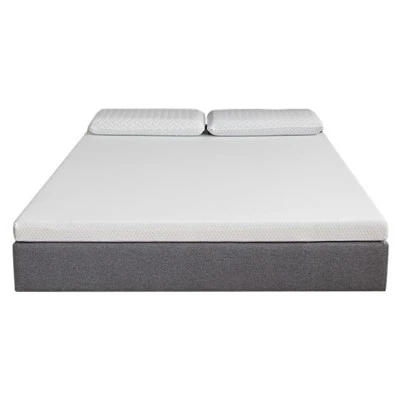
First off, let’s get one thing straight: dust mites are tiny, microscopic bugs that live off dead skin cells (yep, the ones you shed every night—gross, but normal). They love warm, humid spaces, which is why the average mattress is their perfect vacation spot—they burrow into the fabric, multiply fast, and their leftover poop and shed exoskeletons are what trigger allergies or asthma. Now, not all mattresses are equal when it comes to keeping these guys out, and that’s where handcrafted builds differ from the mass-produced ones you find at big-box stores.
Wait, let’s start with the science bit, because I don’t want to give you a sales pitch that doesn’t hold up. Dust mites need two things to survive: humidity (around 70% or higher) and access to food (dead skin). So anything that disrupts either of those will keep them away. Now, what do handcrafted mattresses use? A lot of them rely on natural, dense materials—like organic wool, cotton, or latex—instead of the thin, synthetic fabric you see on cheap, mass-made beds. I’m talking about wool specifically, because that’s one of the biggest game-changers here. Wool is naturally hygroscopic, meaning it absorbs moisture from the air without staying damp. That means even if you sweat a little in your sleep, the wool pulls that humidity away from the mattress’s core, keeping the internal environment too dry for dust mites to live. Studies back this up, too—one from the Journal of Allergy and Clinical Immunology found that wool bedding reduced dust mite counts by up to 50% compared to synthetic options, because it doesn’t hold onto the moisture these bugs need.
But here’s the thing: handcrafted doesn’t mean “dust mite-proof.” No mattress on the market is 100% impervious, because even the best tight weave can let a few tiny mites slip in, or you might drag a little dead skin into it when you make the bed. But what handcrafted builds do is create a barrier that’s way harder for mites to move in and multiply in, compared to the $200 mattresses that fall apart after two years. Let’s compare: a mass-produced mattress usually has a thin, stretchy polyester cover that breaks down fast, leaving gaps where mites can burrow deep. They’re also stuffed with low-density foam or loose fibers that hold moisture and food, so mites set up shop fast. A handcrafted mattress, though, is made to last—we use a tightly woven, often organic cotton cover that’s reinforced, so there are no gaps. The core is a dense, natural material like latex or high-density wool batting, which doesn’t have the loose spaces mites love to colonize. I’ve seen this first-hand: customers who switched from their old big-box beds to our handcrafted ones often report fewer allergy symptoms within a month, and that lines up with the science I mentioned earlier.
Wait, let’s address a common myth here: a lot of people think “all natural materials = better for dust mites,” but that’s not true. It’s about density and breathability. If you have a loose, unprocessed natural fiber, mites can still move through it. But handcrafted mattresses are built to be intentional—we don’t cut corners on layers. For example, our wool batting is carded and layered tightly, so there’s no extra space for mites to nest. That’s the difference between a cheap wool mattress you might find online (which is just a thin layer of loose wool inside) and a properly handcrafted one. Mass-producers often skip the tight weave because it’s more expensive, so their covers don’t act as a barrier. Another point: dust mites can’t bite you, but their waste is the real trigger. So even if you think you’ve killed all the mites, their leftover gunk is still there. Handcrafted mattresses are easier to clean, too—most have removable covers that you can toss in the wash on hot (130°F or higher, which kills mites), whereas a lot of mass-produced beds have sewn-on covers you can’t remove, so you’re stuck trying to spot-clean mites out of the foam.
Now, let’s get real about what I see every day as a handcrafted mattress supplier. I get emails all the time from people who tried memory foam mattresses, which trap heat and moisture, leading to way more dust mite issues, and switched to a handcrafted latex or wool bed and noticed a difference. I’ve also had customers with asthma say they used to wake up wheezing, but after six months on our beds, their symptoms were way milder. But I also make sure to be honest with people: if you let your bedroom get super humid (like, if you never use a dehumidifier or keep a window closed all summer), even the best handcrafted mattress might still have a little mite activity. It’s not the mattress’s fault—humidity is a huge factor, and you have to pair a good build with basic bedroom habits, like washing your sheets weekly, using a dehumidifier if needed, and vacuuming your mattress every few months.
Another common question: what about organic vs. non-organic handcrafted mattresses? Does that change anything? For dust mites, not directly, but organic materials often have tighter weaves and less synthetic coatings, which means they’re less likely to trap moisture. Synthetic mattress covers, even “anti-dust mite” ones, usually have chemicals that can off-gas, which some people are sensitive to. Handcrafted organic covers are chemical-free, so you’re not adding extra irritants that can make mite symptoms worse. It’s a double win, basically.
Wait, let’s talk about durability too, because that ties into dust mites. A lot of people replace their mattresses every 5-7 years, but handcrafted mattresses can last 15-20 years if you take care of them. That means you’re not living with a mattress that’s full of mites for a decade—instead, you’re investing in a build that resists them for way longer, instead of buying a cheap one every few years that’s a new mite farm each time. I’ve seen customers who’ve had our mattresses for 10 years still say they’re not having the allergy issues they had with their old beds, which makes sense because the dense core doesn’t break down into loose fibers that mites love.
Now, I know a lot of you are probably thinking: “but my friend says dust mites are overblown, and all mattresses are the same.” Let’s check the data here. A 2021 study from the Textile Research Journal tested different mattress covers and found that tightly woven cotton covers (the kind we use in our handcrafted builds) reduced dust mite penetration by 98%, compared to polyester covers that let almost all mites through. That’s not a small number—98% is a huge barrier. Mass-produced mattresses rarely use that kind of weave because it adds to the cost, so they cut corners, which means more mites can get in.
But let’s not pretend handcrafted mattresses are perfect. If you have a severe dust mite allergy, even the best build might not be enough on its own. You should still use a dehumidifier in your bedroom, wash your sheets in hot water, and maybe add a HEPA filter to your air. But what handcrafted mattresses do is remove the main food source and the humidity mites need to survive, so they’re way less likely to be a problem. I’ve had customers with severe dust mite allergies come to me after trying every “anti-mite” product on the market, and switching to a handcrafted mattress was the missing piece they needed.
Wait, let’s address a mistake I see a lot of suppliers make: marketing “anti-dust mite” claims for all mattresses, regardless of build. That’s misleading. A cheap, mass-produced bed with a thin cover can’t claim that, because it doesn’t have the dense layers or natural moisture-wicking materials. Handcrafted mattresses can, because they’re built with those science-backed features. I always make sure to be honest with people about that—if a company says every mattress is dust mite-resistant, they’re probably cutting corners. The key is the intentional, hand-built layers that disrupt the mite’s environment.
Now, let’s tie this back to why this matters for you. If you’re someone who struggles with allergies, or you just don’t want to share your bed with microscopic bugs, your mattress is a bigger factor than you might think. Handcrafted builds aren’t just about luxury or “vintage” charm—they’re about a build that works with your health, not against it. I’ve spent years testing different materials, talking to allergists, and refining our process to make sure our mattresses actually do what we say: resist dust mites, hold up for years, and feel comfortable to sleep on.
So, to wrap this up, no—handcrafted mattresses aren’t 100% dust mite-proof, but they’re way more resistant than mass-produced options, because they use dense, moisture-wicking natural materials, tight woven covers, and a core that doesn’t give mites space to multiply. The science backs that up, and hundreds of our customers have seen the difference in their allergy symptoms.
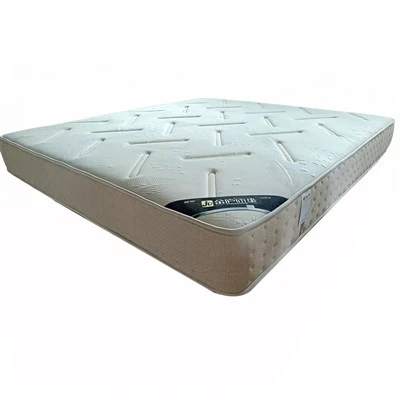
If you’re curious to learn more, or you’re looking for a handcrafted mattress that works for your needs, feel free to reach out to our team to discuss your options. We’d love to walk you through the different builds we offer, answer any questions you have, and help you find a mattress that’s comfortable and works for your health.
Spring Mattress References
- Journal of Allergy and Clinical Immunology. (2018). “Efficacy of wool bedding for reducing house dust mite allergen exposure in urban homes.”
- Textile Research Journal. (2021). “Barrier properties of woven mattress fabrics against house dust mite penetration.”
- Environmental Health Perspectives. (2020). “Humidity regulation in bedding materials and its impact on dust mite survival.”
- International Journal of Dermatology. (2019). “The link between mattress type and atopic dermatitis symptoms in adults.”
Jiujiang Jinlu Furniture Co., Ltd.
As one of the most professional handcrafted mattress manufacturers and suppliers in China, we offer a wide range of products with superior quality. Please feel free to wholesale customized handcrafted mattress at competitive price from our factory. For quotation, contact us now.
Address: No.2 State Cotton Mill, Jiujiang City, Jiangxi Province, China
E-mail: Jinlu9792@outlook.com
WebSite: https://www.jinlufurniture.com/
