What’s Up Everyone? If you’re here, you’re probably dealing with that annoying indoor water mess—maybe a leaky basement wall that’s always damp, a bathroom shower stall that’s been seeping onto the floor, or even a closet corner that’s developed mold because of hidden moisture. As someone who’s been in the waterproof coating game for years (no stuffy corporate titles here, just a guy who’s tested more coatings in my garage than I care to admit), I get it. Indoor waterproofing isn’t just about slapping something on a wall and calling it a day. Get it wrong, and you’re looking at peeling paint, mold, structural damage, and a whole lot of headaches. Today, we’re breaking down the best options for indoor use—no jargon, just real talk from someone who’s seen what works (and what’s straight-up garbage). Waterproof Coating
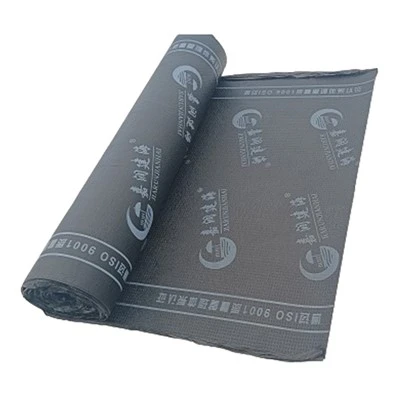
First off, let’s get one thing straight: indoor waterproof coating isn’t the same as the stuff you use for a roof or an exterior foundation. Indoors, you’ve got way more variables: different surfaces (drywall, concrete, wood, tile), humidity levels that swing from a steamy bathroom to a bone-dry guest room, and people walking, cleaning, and even bringing plants that add extra moisture. So any coating we talk about has to check three big boxes: it’s safe for indoor air (no weird fumes that’ll give you a headache), it sticks to whatever surface you’re working on, and it actually stops moisture from seeping through without cracking or peeling in a year.
Let’s start with the most common area people ask about: basements. Basements are basically moisture magnets—groundwater seeps through concrete, condensation builds up, and if you’ve had a flood before, you know how quickly that can turn into a mess. For basements, hands down, the top pick is acrylic latex waterproof coating. Wait, before you tune out—this isn’t your grandma’s thick, gloopy paint. Modern acrylic latex formulas are lightweight, flexible, and way more breathable than old-school options. Here’s why it rules for indoor basements: it’s water-based, so almost zero volatile organic compounds (VOCs) — that means no nasty chemical smell that lingers for weeks, perfect if you’re turning your basement into a home office or kid’s playroom. It bonds super well to concrete (just make sure you etch the surface a little first, no need to get fancy, just scrub it with a concrete etcher solution), and it flexes a bit as the concrete shifts with temperature changes. That’s a big one—some coatings get brittle and crack, letting moisture creep right back in. I’ve seen acrylic latex hold up for 10+ years in basements with high humidity, no issues.
But wait, if you’ve got a really bad basement—like constant standing water or major seepage—acrylic alone might not cut it. That’s where epoxy resin coating comes in. Epoxy is like the heavyweight champ of indoor waterproofing. It’s a two-part formula (you mix the resin and hardener right before use) that creates a rock-solid, impermeable barrier. This is the stuff you see on garage floors, but it works like a charm in basements too, especially if you’re looking for a smooth, easy-to-clean surface. The upside? It stops even the most stubborn groundwater cold. The downside? It’s not as breathable as acrylic—meaning if there’s any trapped moisture under the concrete, it can get trapped between the epoxy and the slab, leading to bubbling or peeling over time. Also, it has a stronger odor during application, so you need to ventilate like crazy when you’re working with it. For that reason, I only recommend epoxy for basements that are already dry (no active seepage) and where you don’t mind a non-breathable layer.
Next up, bathrooms—another area where waterproofing is non-negotiable. A leaky bathroom wall can ruin your neighbor’s ceiling below, and mold in the shower is a nightmare. For bathroom surfaces, let’s split this into two parts: walls (usually drywall or cement board) and floors (tile, concrete, or vinyl). For shower walls, polymer-modified cementitious coating is my go-to. Wait, that’s a fancy name for a cement-based mix that has polymers added to make it flexible and water-resistant. It’s designed to bond to cement board (the standard for shower walls) and create a seamless layer that stops water from seeping behind tiles. Unlike regular grout or even some acrylics, it’s waterproof enough to handle the constant splashing and steam of a shower. And the best part? It’s meant to be covered with tile, so you don’t have to worry about it peeling when you lay your tile. Just make sure to apply two coats, and let each one dry fully—skip that step, and you’ll get bubbles under the tile that are a pain to fix.
For bathroom floors, if you’re going to leave the existing surface (say, concrete in a half-bath that’s not getting redone), acrylic latex is still solid, but if you want something that’s super durable and easy to wipe down, epoxy is great too. Just remember to use a low-VOC epoxy for bathrooms—some industrial epoxies have too many fumes for a small, enclosed space. Oh, and avoid using regular paint in the bathroom, no matter what. Regular paint isn’t waterproof, so after a few months of steam and splashes, it’ll peel right off. Trust me, I’ve had customers come to me after trying that—they spent $50 on a can of “bathroom paint” only to have it flake into their tub. Don’t do that.
What about less obvious indoor spots? Like wood surfaces—say, a basement gym floor made of hardwood, or a dining room table you want to protect from spills. For wood, you can’t use the same coatings as concrete—they crack and flake on wood. The best here is water-based polyurethane? No, wait, actually, for waterproofing wood indoors, a good quality penetrating acrylic sealer is better. Wait, let me clarify: penetrating sealers soak into the wood instead of sitting on top, so they don’t create that thick, plastic-like layer that can peel when the wood expands and contracts with humidity. They still waterproof the wood, stopping spills and moisture from seeping in, while letting the wood’s natural texture show. If you want a little more protection for a high-traffic wood spot (like a deck that’s attached to your house, but wait, that’s outdoor—no, indoor: a mudroom floor that’s wood), then a two-part epoxy for wood works, but make sure it’s labeled for indoor use. I’ve had a customer use outdoor epoxy on his indoor mudroom floor and spent a week scrubbing off the fumes—never again.
Now, let’s talk about what to avoid. First, anything labeled “exclusive outdoor use” for indoor. Those have different formulas that aren’t safe for enclosed spaces—stronger fumes, more volatile compounds. Second, cheap, no-name coatings from the hardware store. I’ve seen so many customers grab the cheapest waterproof coating they can find, only to have it fail in 6 months. It’s worth spending a little more on a reputable brand—trust me, the cost of redoing a wall or floor is way higher than the extra you’ll pay for a good coating. Third, skipping prep work. No coating works if you don’t clean the surface first. If your wall has old paint, peel it off. If your concrete has dirt or oil, scrub it with a degreaser. If your wood has old finish, sand it down. Prep is 90% of the battle—cut corners here, and you’ll be fixing it sooner than you think.
Wait, a quick note on mold. Indoor moisture = mold, so any waterproof coating should be mold-resistant. Look for coatings that have mildew inhibitors added—these are chemicals that prevent mold from growing on the coating’s surface. But keep in mind, no coating is 100% mold-proof if there’s constant moisture seeping in. If your space has high humidity (like a bathroom without a vent fan), you still need to fix that ventilation problem—coating is a band-aid, not a cure.
Now, let’s wrap this up with a quick cheat sheet, so you don’t have to go digging through this whole post:
- Basements (concrete, active seepage): Epoxy resin (two-part, low-VOC)
- Basements (concrete, dry, high humidity): Acrylic latex coating
- Shower walls/tiled surfaces: Polymer-modified cementitious coating
- Bathroom floors: Acrylic latex (for existing surfaces) or epoxy (for new, smooth floors)
- Wood surfaces (indoor): Penetrating acrylic sealer
If you’re still not sure which one is right for your space—maybe you’ve got a weird surface, or you’re not sure if your basement has hidden seepage—don’t stress. That’s where we come in. As someone who’s spent years testing these coatings and helping customers pick the right one, I can walk you through what you need. We’re not a big corporate company that gives you a sales pitch—we give straight advice, even if it means you don’t need to buy our top-of-the-line coating. We’ll answer your questions, help you figure out how much you need, and even give you tips for application that make the job way easier.
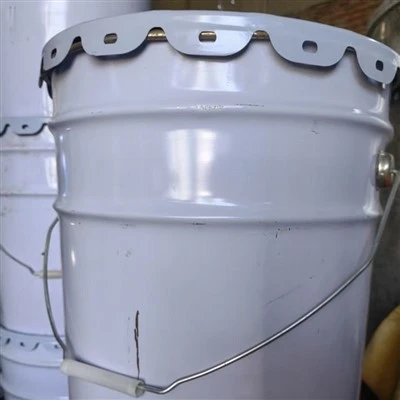
If you’re ready to stop dealing with damp walls, peeling paint, or that annoying mold spot that just won’t go away, reach out to us to talk about your indoor waterproof coating needs. We’ll work with you to get the right product at a fair price, no hidden fees, no weird fine print. Don’t let small moisture problems turn into big, expensive headaches—let’s get your space waterproofed the right way.
Waterproof Membrane References
- American Society of Testing and Materials. (2021). Standard Test Method for Water Resistance of Coatics Used on Interior Surfaces. ASTM International.
- International Code Council. (2020). Residential Waterproofing Requirements for Interior Concrete and Masonry Surfaces. ICC.
- National Paint and Coatings Association. (2019). Indoor Waterproofing Coating Selection Guide for Residential Structures. NPCA.
- University of Extension, Purdue. (2022). Moisture Control in Basements: Coating Options and Best Practices. Purdue University.
Dingzhou Jiarun Jianhai Waterproof Materials Co., Ltd.
As one of the most professional waterproof coating manufacturers and suppliers in China, we offer a wide range of products with superior quality. Please feel free to wholesale customized waterproof coating made in China here from our factory. Also, pricelist is available.
Address: Shijiatuan, Mingyuedian Town, Dingzhou City, Baoding City, Hebei Province
E-mail: Jrjh16888@163.com
WebSite: https://www.jrjhwp.com/
