Can an integrated cooling system be retrofitted into existing equipment? Integrated Cooling System
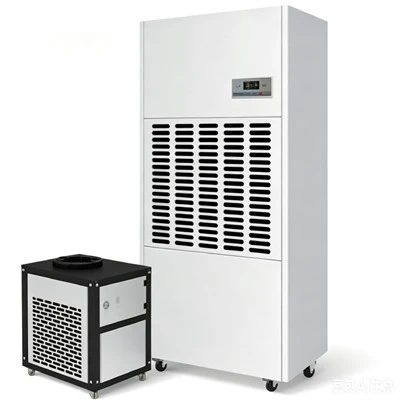
Hey there! I’m a supplier of integrated cooling systems, and I get this question a lot. People are often looking to improve the performance and longevity of their existing equipment, and they’re wondering if an integrated cooling system is a viable option. Well, let’s dive right in and explore this topic.
First off, what exactly is an integrated cooling system? It’s a comprehensive solution that combines various cooling components like pumps, heat exchangers, and controllers into a single, unified unit. This setup is designed to efficiently manage the heat generated by equipment, ensuring that it operates within the optimal temperature range.
Now, the big question: can it be retrofitted into existing equipment? The answer is, in many cases, yes! There are several factors to consider, though.
Compatibility
One of the first things we need to look at is compatibility. Every piece of equipment is unique, with its own set of specifications and requirements. We have to make sure that the integrated cooling system we’re considering is a good fit for the existing equipment. This means checking things like the size, the type of heat load it can handle, and the connection points.
For example, if you have an old server rack that’s been struggling with overheating, we need to figure out if our cooling system can physically fit into the available space. We also need to make sure that it can handle the amount of heat that the servers are generating. If the heat load is too high for the cooling system, it won’t be able to keep the equipment cool enough.
Technical Feasibility
Another important aspect is technical feasibility. Even if the cooling system is physically compatible, we need to make sure that it can be integrated into the existing equipment’s control systems. Most modern equipment has complex control systems that manage everything from power consumption to temperature regulation. Our integrated cooling system needs to be able to communicate with these control systems effectively.
Let’s say you have a manufacturing machine that has its own set of sensors and controllers. We need to ensure that our cooling system can interface with these sensors and controllers without causing any disruptions. This might involve some programming and customization, but in many cases, it’s entirely possible.
Cost-Benefit Analysis
Before making any decision, it’s crucial to do a cost-benefit analysis. Retrofitting an integrated cooling system isn’t free, and it’s important to weigh the costs against the benefits.
On the cost side, there are the upfront costs of purchasing the cooling system, as well as the installation costs. There might also be some additional costs for any necessary modifications to the existing equipment. However, on the benefit side, there are several potential savings.
Improved cooling can lead to increased equipment lifespan. When equipment operates at a lower temperature, its components wear out more slowly, which means you won’t have to replace them as often. Additionally, better cooling can improve the performance of the equipment, leading to increased productivity. In some cases, it can also result in energy savings, as the equipment doesn’t have to work as hard to stay cool.
Success Stories
I’ve seen firsthand how retrofitting an integrated cooling system can make a huge difference. Take, for example, a small data center that was struggling with high temperatures. Their existing cooling system was outdated and inefficient, and the servers were constantly overheating, leading to frequent downtime.
We came in and evaluated their situation. After some careful planning and customization, we were able to retrofit our integrated cooling system into their existing server racks. The results were amazing! The temperatures in the data center dropped significantly, and the servers were able to operate more reliably. The downtime was reduced to almost zero, and the data center was able to handle more workloads without any issues.
Challenges
Of course, it’s not always a smooth ride. There can be some challenges when retrofitting an integrated cooling system. One of the biggest challenges is dealing with the old equipment’s limitations. Some older pieces of equipment might not have the necessary connection points or might have physical constraints that make it difficult to install the new cooling system.
Another challenge is getting buy-in from the end-users. Sometimes, people are hesitant to make changes to their existing equipment, especially if they’re worried about downtime or disruption to their operations. That’s why it’s important to communicate the benefits clearly and to work closely with the end-users to minimize any disruptions.
Conclusion
So, can an integrated cooling system be retrofitted into existing equipment? The answer is a resounding yes, in many cases. With careful planning, consideration of compatibility and technical feasibility, and a thorough cost-benefit analysis, it’s often possible to upgrade your existing equipment with an integrated cooling system.
If you’re interested in exploring the possibility of retrofitting an integrated cooling system into your equipment, I’d love to have a chat with you. We can discuss your specific needs, evaluate your existing equipment, and come up with a customized solution that’s right for you.
Don’t let overheating equipment hold you back. Take the first step towards better performance and longer equipment lifespan by considering an integrated cooling system retrofit.
Refrigerant Levitation Centrifugal Chiller References:
- ASHRAE Handbook – Refrigeration
- Manufacturer’s specifications of various equipment and cooling systems
- Case studies from previous retrofit projects in different industries
Hangzhou Dayu HVAC Engineering Co., Ltd.
As one of the most professional integrated cooling system manufacturers and suppliers in China, we have world-leading production equipment and strong manufacturing capabilities. If you’re going to buy customized integrated cooling system made in China, welcome to get quotation from our factory. For price consultation, contact us.
Address: Room 1004, Building 1, Xicheng Business Tower, Xihu District, Hangzhou City, Zhejiang Province, China
E-mail: info@hi-hvac.com
WebSite: https://www.hi-hvac.com/
