Hey there! I’m a supplier of Ceramic Anilox Rollers, and today I wanna chat about how the surface smoothness of these rollers impacts printing quality. Ceramic Anilox Roller
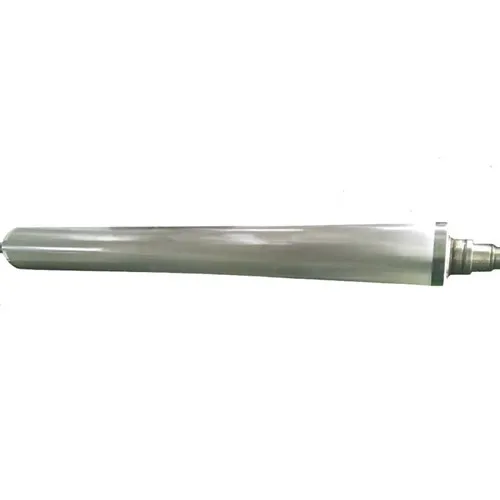
First off, let’s talk a bit about what a Ceramic Anilox Roller is. It’s a key component in the printing process, especially in flexographic and gravure printing. The roller is basically covered with tiny cells that hold and transfer ink to the printing substrate. And the surface smoothness of this roller? Well, it can make or break your print job.
Impact on Ink Transfer
One of the first things that surface smoothness affects is ink transfer. When the surface of the Ceramic Anilox Roller is nice and smooth, ink flows more evenly through those little cells. You see, if there are bumps or rough spots on the roller’s surface, it can disrupt the ink flow. Some areas might get too much ink, while others might not get enough.
For instance, in a high – quality label printing job, you need that consistent ink coverage. A smooth roller ensures that every part of the image on the label gets the right amount of ink. This means sharper colors, more vivid images, and a better overall look. But if the roller’s surface is rough, you might end up with patchy areas on the label, where the ink didn’t spread properly.
I once had a client who was printing product packaging. They were using a not – so – smooth Ceramic Anilox Roller, and the results were terrible. The colors on the packaging were uneven, and there were some dull spots. Once we supplied them with a roller that had a smoother surface, the difference was night and day. The packaging looked professional, the colors popped, and the client was super happy.
Dot Reproduction
Dot reproduction is another crucial aspect of printing quality, and surface smoothness has a big say in it. In modern printing, precise dot placement is essential for creating detailed images and fine lines.
When the surface of the Ceramic Anilox Roller is smooth, the ink is transferred in a more controlled way. This allows for better dot reproduction. You can get those small dots that make up an image to be the right size and shape, and they’ll be placed exactly where they need to be.
On the other hand, a rough roller surface can cause dots to spread or become misshapen. This blurs the image and makes it look less sharp. For example, in a magazine cover printing, where there are a lot of fine details and small dots to create a high – resolution image, a smooth roller is a must. If the roller is rough, the cover might look pixelated or fuzzy, and that’s not something you want for a high – end publication.
Preventing Print Defects
Surface smoothness also plays a huge role in preventing print defects. Rough surfaces can cause all sorts of problems like streaks, scratches, and ink splatters.
Streaks are a common issue when the roller isn’t smooth. As the roller rolls over the printing substrate, a rough spot can cause an uneven release of ink, resulting in a streak on the print. Scratches can also occur if the surface has sharp protrusions. These scratches not only look bad but can also damage the printing substrate.
Ink splatters are another headache. A rough roller can cause the ink to be ejected in an uncontrolled manner, leading to small dots of ink outside the intended printing area. This is particularly problematic in applications where the print needs to be very clean, like in pharmaceutical packaging.
I’ve seen printers struggle with these defects for a long time, only to find out that a simple switch to a smoother Ceramic Anilox Roller solved all their problems.
Consistency in Printing
Consistency is key in the printing industry. Customers expect the same high – quality print on every single product. And surface smoothness of the Ceramic Anilox Roller is crucial for achieving this consistency.
A smooth roller will provide consistent ink transfer throughout the entire printing run. This means that whether you’re printing the first or the thousandth copy, the color, density, and overall quality of the print will remain the same.
Let’s say you’re printing a large batch of brochures. If the roller isn’t smooth, you might notice a gradual change in the print quality as the job progresses. The colors could start to fade, or the images could become less sharp. But with a smooth roller, you can be sure that every brochure in the batch will look exactly the same.
Factors Affecting Surface Smoothness
Now, you might be wondering what can affect the surface smoothness of a Ceramic Anilox Roller. Well, there are several factors.
The manufacturing process is a big one. If the roller isn’t made with high – precision techniques, it might end up with a rough surface. At our company, we use state – of – the – art manufacturing methods to ensure that each roller has a smooth finish. We also perform strict quality control checks to make sure that the surface meets the highest standards.
Another factor is wear and tear. Over time, as the roller is used in the printing process, it can start to develop rough spots. This is especially true if the ink used contains abrasive particles. To counter this, we offer tips on proper maintenance. For example, cleaning the roller regularly with the right solvents can help keep the surface smooth.
Importance of Choosing the Right Roller
Choosing the right Ceramic Anilox Roller with the appropriate surface smoothness is vital for any printing business. It can save you a lot of time, money, and headaches in the long run.
A high – quality, smooth roller might cost a bit more upfront, but it pays for itself in the quality of the prints and the reduced downtime due to print defects. You’ll also get fewer customer complaints, which is great for your business’s reputation.
If you’re in the market for a new Ceramic Anilox Roller, don’t just go for the cheapest option. Look for a supplier who understands the importance of surface smoothness and can provide you with a roller that meets your specific printing needs.
Conclusion
So, as you can see, the surface smoothness of a Ceramic Anilox Roller has a huge impact on printing quality. From ink transfer and dot reproduction to preventing print defects and ensuring consistency, it’s a crucial factor in the printing process.
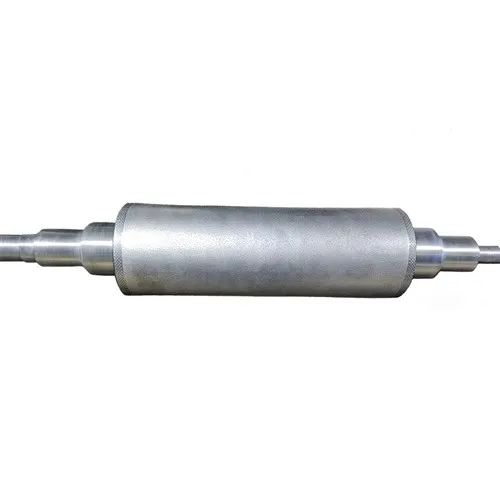
Chrome Anilox Roller If you’re looking to improve your printing quality and take your business to the next level, a smooth Ceramic Anilox Roller is a must – have. If you’re interested in learning more about our Ceramic Anilox Rollers or want to discuss your specific printing requirements, don’t hesitate to reach out and start a conversation. Let’s work together to achieve the best printing results!
References
- Printing Industry Handbook, 2023 Edition
- Journal of Print Technology and Quality, Volume 15, Issue 3
Kunshan Hanhan Co., Ltd.
We’re well-known as one of the leading ceramic anilox roller manufacturers and suppliers in China. We warmly welcome you to buy high quality ceramic anilox roller made in China here from our factory. If you have any enquiry about cooperation, please feel free to email us.
Address: No. 1093, B Zone, No. 2 Xugongqiao Rd, Huaqiao Town, Kunshan City, Suzhou, Jiangsu, China
E-mail: info@kshhroller.com
WebSite: https://www.kshh-roller.com/
