If you’ve ever spent time walking through a farm or even tending to a backyard veggie patch, you know crop texture is everything. A tomato that’s mealy instead of juicy? Bummer. A carrot that’s woody instead of crisp? Nightmare. Even leafy greens—if they’re limp instead of firm, they don’t just look bad; they taste worse too. So lately, I’ve been getting a ton of questions from farmers, small-scale growers, and even some fellow supply folks: does calcium magnesium suspension fertilizer actually make crops better? Not just bigger or higher-yielding—better in texture. Calcium Magnesium Suspension Fertilizer
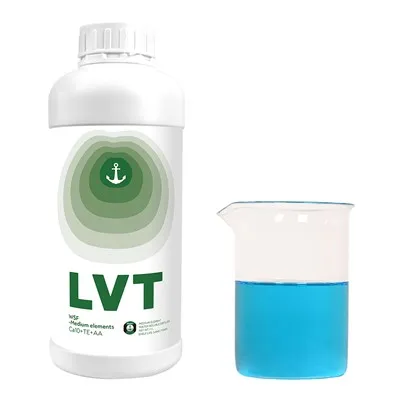
As someone who’s been in the calcium magnesium suspension fertilizer game for almost a decade (I’m not one of those new supply bros who jumped on a trend last year—seen enough of those to know better), I’ve got stories from real fields, not just lab papers. Let’s cut the jargon and get into it. First, let’s reset what people actually mean when they talk about crop texture. It’s not just crunch—its cell wall structure, moisture retention, how the plant pulls nutrients, even how it handles stress like drought or heat. That’s where calcium and magnesium come in, and suspension formula is key here.
Wait, quick detour: not all calcium and magnesium products are the same. A lot of folks use dry amendments like lime or Epsom salt, but those can get locked up in soil if pH is off, or they take forever to break down. Our suspension is a liquid, nano-sized (well, micro-sized, but tiny enough) blend that stays suspended instead of settling to the bottom of the tank. You mix it with water, spray it on leaves or drench roots, and it gets absorbed way faster—no waiting weeks for it to work. That’s a big reason growers swear by it for texture.
Let’s talk calcium first, because that’s the texture MVP. Calcium doesn’t just make bones strong—it makes cell walls strong. Think of a plant’s cell wall like a brick wall: calcium is the mortar that holds the bricks (cellulose fibers) together. If a crop’s low on calcium, that wall is weak. What happens? Celery gets hollow, tomatoes get blossom end rot (that nasty black spot on the bottom that turns it mushy), apples get bitter pit. I saw this first-hand two years ago working with a 50-acre tomato farm in central California. They’d been using a standard dry calcium amendment for years, and their heirloom tomatoes were coming out with so much blossom end rot that 15% of the crop was unmarketable. We switched them to our calcium magnesium suspension at 50% the usual application rate, split into 4 sprays during fruiting. By harvest? That rot dropped to under 2%. And the texture? The tomatoes used to be mealy, like they’d been sitting in a fridge too long. Now they had that juicy, firm bite you expect from a ripe heirloom—no mush, no blandness.
Magnesium’s the unsung sidekick here. It’s the core of chlorophyll, so it keeps leaves green and photosynthesizing, which means the plant is making more sugars that get stored in the fruit or veggie. But it also helps with nutrient uptake—if a plant is magnesium-deficient, it can’t pull other nutrients (like calcium, ironically) through its system. Last year, a small-scale carrot farmer in Michigan hit me up. His carrots were all twisted, woody, and had that bitter aftertaste. He tested his soil: low magnesium, and the calcium he was using wasn’t getting absorbed because the soil pH was a little too high (dry lime can push pH up more). We sent him a sample of our suspension, told him to drench the roots once a month during root development. By harvest, his carrots were straight, crisp, and sweet enough that a local grocery store picked up the entire crop. He told me his kids were eating them raw like candy—said that’s never happened before.
Now, I know what you’re thinking: “Okay, so individual nutrients help, but does the suspension formula make a difference? Couldn’t I just add separate calcium and magnesium products?” Great question, because that’s a mistake I made early on. Years ago, I tried pairing a liquid calcium spray with a magnesium foliar spray for a pepper grower. He got the nutrients, but the combination left a weird residue on the leaves that burned some of the younger plants, and absorption was slow. Our suspension is formulated so the two minerals work together—they don’t compete with each other for uptake, which is a big issue with separate products. Also, because it’s suspended, it sticks to leaves better than plain liquid, so less runs off. That means more nutrients actually get into the plant, not wasted.
I’ve also heard folks say “texture is just a result of variety or growing conditions” and yeah, that’s true. But if a variety can have good texture, poor calcium or magnesium will mess it up. Take leafy greens, for example. Spinach or lettuce that’s low on magnesium gets pale, limp, and spoils faster. A client in Arizona grows baby greens for salad kits—they were losing 20% of their crop to wilting before they even left the field, because the desert heat was stressing the plants and messing with nutrient uptake. We added our suspension to their irrigation system, and within a month, the wilting dropped to 7%. The greens stayed firm in the cooler for 3 extra days, so their shelf life went up, and customers were posting about how crisp they were in reviews. That’s not a miracle—it’s the plant having the nutrients it needs to hold its cell structure together, even when it’s hot.
But let’s keep it real—there are caveats. This isn’t a magic bullet. If your soil is super depleted of other nutrients like potassium or nitrogen, calcium and magnesium alone won’t fix texture. You have to use it as part of a full fertility plan. Also, application timing matters a lot. Spraying calcium on tomatoes after they’ve started ripening won’t fix blossom end rot—you have to do it during the fruit set and early growth stages. That’s why I always take 10 minutes to chat with growers before they order, to make sure they’re applying it right. I’ve had guys spray it when their crop was already almost done growing, and they texted me saying “didn’t do anything” and I’m like “dude, too late—next time do it when the flowers drop.”
Another thing I get asked: is this safe for organic growers? Short answer: yes. Our calcium magnesium suspension is OMRI-listed, so it’s approved for organic farming. I work with a number of small organic operations that swear by it, because they can’t use synthetic fertilizers to fix those texture issues. One organic apple orchard in Washington told me that before using our suspension, their Honeycrisps had so much bitter pit that they couldn’t sell them as premium fruit—they had to mark them down. Now, their Honeycrisps are going for 10 cents more a pound, because the texture is exactly what people want—crunchy, juicy, no brown spots.
I know a lot of people in the supply space are pushing products that overpromise huge yields, but I’m not here to do that. I’m here to tell you that calcium magnesium suspension fertilizer works for texture because it targets the actual parts of the plant that make food feel good to eat. It’s not just about growing more—it’s about growing better.

If you’re a farmer, a grower, or even a landscape pro who’s tired of your crops being mealy, limp, or woody, let’s chat. I’ve got real field notes, not just sales pitches, and I can help you figure out the right application rate and timing for your specific crops, whether that’s tomatoes, carrots, leafy greens, apples, whatever. No hard sells, no complicated contracts—just straight talk about making your crops look and taste better. Let’s connect to talk through how this could work for your operation.
Macroelement Water Soluble Fertilizer References:
- Grusak, M. A., & Pe?a, R. (2006). Effects of calcium and magnesium nutrition on fruit quality and texture in horticultural crops. Journal of the Science of Food and Agriculture, 86(12), 1747–1758.
- Fernandez, V., & Eichert, T. (2009). Foliar nutrition: Principles and practices. Advances in Agronomy, 103, 1–50.
- Martinez, G. A., et al. (2017). Cell wall composition and texture changes in tomato fruit as affected by calcium supply. Scientia Horticulturae, 226, 208–215.
- Adams, P., & Baker, J. (2021). Magnesium’s role in stress tolerance and nutrient uptake in vegetable crops. Crop Science, 61(3), 1678–1692.
Weifang Lvweite Bio-Tech Co., Ltd.
With abundant experience, we are one of the leading manufacturers and suppliers of calcium magnesium suspension fertilizer in China. Please rest assured to buy bulk high quality fertilizers made in China here from our factory. If you have any enquiry about cooperation, please feel free to email us.
Address: No. 6 Xinchuan Rd, Xin’an Street, Anqiu City, Shandong, China
E-mail: info@lvtfertilizer.com
WebSite: https://www.lvtfertilizer.com/
