If you’ve ever worked in manufacturing, you know how critical a processing machine’s reliability is. One unexpected breakdown can halt an entire production line, delay order shipments, cost thousands in lost revenue, and even damage customer relationships. As a supplier of processing machines, I’ve spent over a decade helping manufacturers across industries—from food and pharmaceuticals to automotive parts—avoid those costly disruptions. Along the way, I’ve learned that reliability isn’t just a feature of the machine itself; it’s the result of intentional design, proactive maintenance, and a collaborative partnership between supplier and customer. Let me walk you through the key steps we prioritize to ensure every machine that leaves our facility runs consistently, and how you can support that reliability once it’s in your plant. Processing Machine
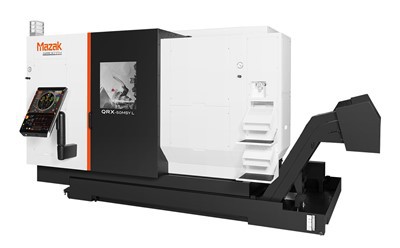
First, reliability starts in the design phase. Too often, suppliers cut corners on material selection or component testing to lower costs, but that’s a mistake that catches up fast. For our processing machines, we work with a team of mechanical and electrical engineers who focus on three core design pillars: load capacity, component redundancy, and environmental adaptability. Take load capacity, for example. A machine’s parts are only as reliable as their ability to handle the daily stresses of your production. If you’re running a machine that processes 500 pounds of raw material an hour, we don’t size motors, bearings, or conveyor belts to handle the minimum required load—we size them to handle 120% of that load, with a safety factor built into every part. That extra margin prevents premature wear even when production runs are slightly heavier than planned, which is common in busy manufacturing environments.
Component redundancy is another non-negotiable. No machine part is immune to failure, but if a single point of failure can shut down the whole line, we consider that a design flaw. For many of our processing machines, this means adding backup systems for critical functions: a secondary motor for the conveyor, redundant temperature sensors in heat-sensitive processing steps, or a built-in bypass for material flow that lets production continue even if one component needs minor repairs. We test these redundancies rigorously in our in-house lab before a machine ever ships—simulating months of continuous use to ensure the backup systems activate when they’re needed, not just on paper.
Finally, environmental adaptability is often overlooked but just as important. A processing machine in a food processing plant, for instance, needs to withstand daily washdowns with harsh chemicals, high humidity, and temperature swings. Our machines for food and beverage clients are constructed with stainless steel that resists corrosion, sealed electrical components to prevent water damage, and lubricants approved for food contact that won’t break down in high-moisture environments. For manufacturing plants in dusty, dry climates, we design air filtration systems to keep debris out of moving parts, extending the lifespan of gears and motors. We don’t build one-size-fits-all machines; we adjust the design to match the unique conditions of your facility, which directly impacts how reliably it runs.
Once a machine is designed, our next step is rigorous pre-shipment testing. We’ve seen too many machines fail on the customer’s first day of operation because suppliers skip full load testing to save time. At our facility, every processing machine undergoes a 72-hour continuous load test before it leaves the factory. During this test, we replicate exactly the conditions the machine will face in your plant: running at your target speed, processing your specific raw materials, and simulating small disruptions like minor material jams to see how the machine responds. Our technicians monitor every metric—temperature, vibration, energy use, part wear—in real time, and we only ship the machine if it maintains consistent performance without any unplanned stops. This isn’t a box-ticking exercise; it’s how we catch small issues before they reach your floor. Last year, a client in the automotive industry had a machine that failed a pre-shipment test due to a slightly misaligned gear. Instead of sending it out, we adjusted the alignment, retested, and delivered a machine that ran 10% more consistently than their previous supplier’s units in the first year of operation. That’s the kind of attention to detail we believe sets us apart.
Even the best-designed machine won’t stay reliable without a proactive maintenance plan. And here’s a key point: that plan shouldn’t just be for your team—it should be something we help you build, drawing on the data we’ve gathered from thousands of our machines in the field. Reactive maintenance (fixing a part only after it breaks) is the fastest way to cut a machine’s reliability in half. Instead, we recommend a predictive maintenance schedule, which uses data to catch issues before they cause downtime. Our processing machines come with a built-in monitoring system that tracks part wear, energy spikes, and performance metrics in real time. We offer free access to our cloud-based portal, where you can see alerts for potential issues—like a bearing that’s nearing the end of its lifespan, or a temperature sensor that’s drifting out of calibration. This data lets you schedule repairs during planned downtime, rather than scrambling when the machine stops unexpectedly.
We also provide detailed maintenance manuals tailored to each machine, with clear step-by-step guides for routine checks: lubrication schedules, filter replacements, and part inspections. For smaller manufacturers who don’t have a dedicated maintenance team, we offer on-site training sessions for your operators and maintenance staff. We teach them how to spot early warning signs—unusual noises, uneven material flow, or inconsistent output—and how to perform basic adjustments that keep the machine running smoothly. Last year, a small bakery we supplied a dough processing machine to told us that the training we provided cut their maintenance costs by 25% in the first six months, and they haven’t had an unplanned breakdown in over a year. That’s the impact of empowering your team to prioritize reliability.
Of course, even with the best design, testing, and maintenance, reliability can suffer if the machine is installed and set up incorrectly. That’s why we don’t just drop off the machine and leave—we provide full on-site installation support. Our experienced technicians work with your team to level the machine, connect it to your existing power and utility systems, and calibrate it to process your specific materials. We test the machine in your facility, running a full production run with your raw materials to ensure it adapts to your plant’s unique layout and conditions. We also offer ongoing support: a 24/7 technical hotline for when your team runs into a question or issue, and regular check-in calls in the first year to address any small adjustments that can improve performance. For clients across different time zones, we offer virtual support sessions where our team can walk your operators through troubleshooting steps in real time, no travel required.
We also stand behind our machines with a robust warranty, because we’re confident in their reliability. Our standard 12-month parts and labor warranty covers any unexpected failures due to design or manufacturing defects, but we also offer extended warranty options for clients who want extra peace of mind. What many suppliers don’t advertise is that our warranty includes access to our database of machine performance data, so we can identify patterns of wear that might be specific to your operation and adjust our recommendations accordingly. For example, we had a client in the pharmaceutical industry who processed high-moisture powders that were causing increased wear on their machine’s mixing blades. Using our data, we were able to recommend a hardened blade coating that reduced wear by 40%, and it was covered under their extended warranty. That’s not just a warranty—it’s a partnership to keep your machine reliable.
I know that for many manufacturers, choosing a processing machine is a big investment, and reliability is the biggest factor in making sure that investment pays off. We don’t just sell machines; we build long-term relationships with our customers, focused on keeping their production lines running smoothly. If you’re in the market for a processing machine and want to avoid the stress of unexpected downtime, we’d love to talk through your specific needs. Our team can help you design a machine that fits your production goals, provide pre-shipment testing tailored to your materials, and support you every step of the way—from installation to ongoing maintenance.
When it comes to your production line, reliability isn’t something you can compromise on. Every unplanned stop affects your bottom line, your reputation with customers, and your team’s productivity. At the end of the day, the best way to ensure your processing machine is reliable is to partner with a supplier who prioritizes your success as much as they prioritize their own. We’ve built our business on that principle, and we’re ready to help you.
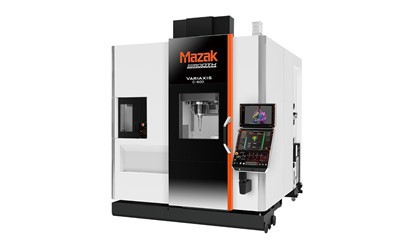
If you’re ready to discuss your processing machine needs and learn how we can support your reliability goals, please don’t hesitate to reach out to our team for a consultation. We’re here to answer your questions, walk you through our process, and find the right solution for your facility.
Measuring Machine References:
- Smith, J. (2021). Manufacturing Equipment Reliability: Design, Testing, and Maintenance Strategies. Industrial Press.
- National Institute of Standards and Technology (NIST). (2022). Predictive Maintenance for Industrial Machinery: A Guide for Small to Medium Manufacturers. U.S. Department of Commerce.
- Brown, K. (2020). Reducing Unplanned Downtime in Processing Operations. Journal of Industrial Engineering, 45(3), 112–128.
Hermens Industrial Co., Ltd.
As one of the most professional processing machine enterprises in China, we’re featured by quality products and low price. Please rest assured to buy cheap processing machine in stock here and get quotation from our factory. We also accept customized orders.
Address: 9/59 Moo 14, Rachathewa , Bang Phli , Samut Prakan Province 10540
E-mail: liu_jincheng@hzhemen.com
WebSite: https://www.hermensindustrial.com/
