If you’ve ever walked past a custom apparel shop, a textile trade show booth, or even a luxury brand’s collection of embroidered gowns, you’ve probably spotted the work of sequence or cording embroidery machines. These aren’t your run-of-the-mill stitched machines—they add dynamic, three-dimensional texture, shimmering sequins, and thick corded accents that turn ordinary fabric into statement pieces. As a supplier who’s worked with these machines for over a decade, one of the most common questions I get from potential clients is this: How much does a sequence or cording embroidery machine actually cost? The answer isn’t a one-size-fits-all number, and it’s not just about the hardware, either. It depends on everything from your business’s size, how you plan to use the machine, and even the after-sales support you’ll need to keep it running for years. Sequence Or Cording Embroidery Machine
Let me break this down like I would for a new customer who’s just starting out, not a spreadsheet nerd (though I love a good number breakdown too). I’ve seen beginners drop thousands on a machine that was way too big for their first small batch, and I’ve watched larger operations invest in a setup that made their production line run 30% faster than before. Let’s start with the most common variables that drive price, because that’s the only way you’ll know what you’re actually paying for, not just a sticker shock number.
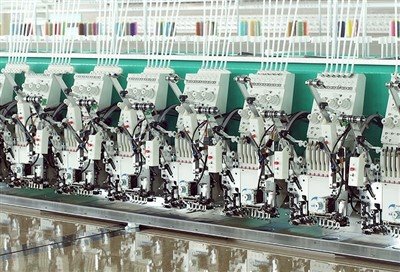
First, let’s talk about machine size and head count. Most sequence and cording embroidery machines are sold by how many separate “heads” they have—each head does its own embroidering, so a 1-head machine is for small, custom work, and a 12-head is for high-volume production. For a small boutique, Etsy shop, or a freelancer who does custom wedding embroidery, a 1-head entry-level model is usually the go-to. I’ve sold dozens of these over the years, and their price points range from $3,500 to $8,000. Wait, why the big gap between $3.5k and $8k? A lot of it comes down to build quality and included accessories. The $3,500 models are great for someone who only needs sequence or cording for small designs, like a few dozen sequined patches or corded names on baby blankets. They work with standard thread and sequin sizes, and they’re light enough to move if you need to set them up in a small garage or spare room. The $8k 1-head models, though, come with extra features: automatic sequin changing (so you can switch between silver and gold sequins mid-design without stopping), a built-in thread cutter, and a wider embroidery field (meaning you can do larger designs, like a full sequined back panel on a jacket). These are worth the extra cash if you plan to grow and don’t want to upgrade in a year.
If you’re a mid-sized operation—say, a custom apparel company that does 50 to 100 pieces a day, or a trade shop that takes on bulk orders for local brands—you’ll be looking at multi-head machines, usually 6 to 10 heads. The price here starts at $18,000 and goes up to $45,000. Again, the variables apply: a 6-head machine might be around $18k, perfect for a shop that runs multiple small orders at once, with the ability to do 6 sequined patches in one go. A 10-head model with all the extra bells and whistles—like automatic cording feeders that can handle different cord thicknesses (from thin twisted cord to thick velvet cord), a touchscreen interface that saves your favorite sequence designs, and built-in maintenance alerts that tell you when to oil the machine—will cost closer to $45k. I had a customer last year who owned a 8-head mid-range machine and upgraded to a 10-head high-end model when a local sportswear brand offered them a $100k annual contract for their team jackets. They told me the extra heads cut their production time per jacket by 40%, so the machine paid for itself in less than six months. That’s the kind of ROI you don’t get with a cheap entry-level model.
Now, what if you’re a large-scale textile manufacturer, or a brand that does high-volume luxury pieces, like wedding gowns with full-sequined bodices or couture pieces with intricate cording? Then you’re looking at industrial-grade multi-head machines, usually 12 heads or more, with extra features designed for non-stop production. These start at $50,000 and can go up to $120,000 or even higher for custom models. A client of mine who makes custom bridal gowns invested in a 16-head industrial machine three years ago. They can run 16 sequined bodice designs at once, and the machine works 12 hours a day without slowing down. The high cost here isn’t just for the number of heads—it’s for the durability, the ability to work with specialized materials (like heavy sequins or metallic cord that would break a smaller machine), and the technical support that comes with industrial equipment. When that machine had a minor issue last year, our team was on-site within 24 hours, which is non-negotiable for a business that can’t afford to stop production for days.
But here’s the part most buyers forget: the machine’s price isn’t the only cost. Sequence and cording embroidery machines need supplies, right? Sequin strips, cording spools, specialized needles, and thread that’s designed to work with these materials. A beginner might not realize that the cheap $3,500 machine only works with 5mm sequins, but if you want to use larger 10mm sequins for a statement design, you’ll have to either upgrade the machine or pay for a custom sequin feeder that can add another $1,500 to $3,000. Also, maintenance: every machine needs regular oiling, parts replacement, and occasional servicing. A good supplier will include a 1-year warranty and free technical support, but after that, service calls can be $100 to $200 an hour, depending on the machine’s complexity. I always tell new clients to budget 10% of the machine’s purchase price annually for supplies and maintenance, because a machine is only as good as how well you take care of it.
Another big factor is whether you’re buying new or used. I get asked about used machines all the time, especially by people starting out on a tight budget. A well-maintained 1-head entry-level sequence and cording machine can cost anywhere from $1,500 to $4,000, and a used 6-head mid-range model might be $10,000 to $25,000. But here’s the catch: used machines don’t come with warranties, and you might not know how well they were cared for by the previous owner. I once had a customer buy a used 8-head machine from a dealer, only to find out the head motors were worn out, and the repairs cost them $8,000—more than they saved by buying used. I always recommend that if you go the used route, work with a reputable supplier who inspects the machine thoroughly and offers a short 30-day warranty. But for most people, especially those who plan to use the machine for years, new is worth the extra peace of mind.
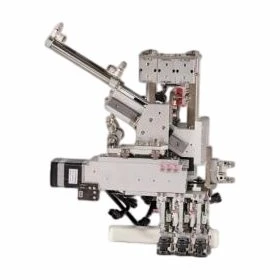
Wait, let’s also talk about specialized add-ons that can bump up the price, but might be worth it for your business. Automatic color changers are a big one—for sequence embroidery, if you want to switch between different colored sequins (like a design that has red sequins for hearts and gold sequins for outlines), an automatic color changer lets you do that without stopping the machine. That can add $2,000 to $5,000 to a machine’s price, but it cuts down production time by a lot. Then there’s the type of cording feeder: some machines have a single cording feeder, while others have dual feeders that can do two different cords at once. That’s perfect for designs that mix thin and thick cording, and it adds around $1,500 to the cost. I had a customer who makes custom leather jackets with corded logos—she upgraded to a dual feeder and said it cut her design time per jacket from 2 hours to 45 minutes. That’s a game-changer for any business.
Now, let’s get real about what you should actually expect, depending on where you are in your business. If you’re just starting out, doing custom work for friends and family, or selling small patches on Etsy, an entry-level 1-head machine is the way to go. You don’t need extra heads or automatic features, and you can always upgrade later when your business grows. I’ve had dozens of small clients start with a $3,500 machine in their garage, and now they have a 6-head shop doing bulk orders for local brands. If you’re a mid-sized operation, don’t skimp on the multi-head machine—you’ll regret it when you get a big order and can’t fulfill it on time. And if you’re a large-scale manufacturer, industrial is non-negotiable—those machines are built to run non-stop, and the ROI is massive.
I’ve been in this industry for 12 years, and one thing I’ve learned is that there’s no “best” machine, only the best machine for your business. I’ve seen a $3,500 entry-level machine work perfectly for a small shop that only does 10 pieces a week, and I’ve seen a $120,000 industrial machine pay for itself in a year for a luxury brand that does couture gowns. The worst mistake I see is someone buying a machine that’s too big or too expensive for their current needs, and then not being able to make the monthly payments or using only a fraction of its features.
If you’re reading this and trying to figure out what makes sense for you, let’s talk. I don’t do pushy sales—my business is built on long-term relationships, and I’ve helped hundreds of clients pick the right machine for their budget and their production goals. Whether you’re a beginner who’s never used a sequence or cording embroidery machine, or you’re looking to upgrade your current setup, I can walk you through the options, answer your questions, and give you a transparent quote with no hidden fees.
When I first started as a supplier, I’d get a lot of clients who came in with no idea what they needed, just that they wanted to “make some sequined clothes.” The best part of my job is sitting down with someone, talking about their business, their orders, and their future plans, and finding a machine that fits like a glove. I’ve seen a teen start their own custom dance costume business with a 1-head machine, grow it to a 10-head shop, and now has clients across the country. I’ve also worked with a small boutique that only does 50 pieces a month, and found a used 1-head machine that worked perfectly for them for half the cost of a new entry-level model.
If you’re ready to stop guessing about how much a sequence or cording embroidery machine costs, and start building your business, reach out. I’ll send you a detailed breakdown of all the options, no obligation, just honest advice. No hidden fees, no pressure to buy something you don’t need, and all the information you need to make the right choice. At the end of the day, this isn’t just about selling a machine—it’s about helping you turn your designs into tangible products that people love.
Beads Embroidery Machine References:
- International Embroidery Manufacturers Association. (2022). Industrial and Commercial Embroidery Machine Cost Benchmark Report.
- Textile Machinery Association. (2021). Sequence and Cording Embroidery: Performance Specifications and Pricing Guide.
- Small Business Administration. (2020). Guide to Selecting and Purchasing Textile Equipment for Custom Apparel Operations.
- Luxury Goods Association. (2023). Couture Embroidery Machinery: Features and Cost Analysis for High-Volume Luxury Production.
Yiwu Kuhao Import and Export Co., Ltd.
As one of the most professional sequence or cording embroidery machine manufacturers in China, our products have good reputation in the market. Welcome to buy discount sequence or cording embroidery machine made in China here and get quotation from our factory. All customized products are with high quality and low price.
Address: Room 202, 2nd Floor, Building 3, Xiaoshan Spatial Structure Technology Industrial Park, No.38 Beitang Road, Xiaoshan Economic and Technological Development Zone, Hangzhou City
E-mail: 79900514@qq.com
WebSite: https://www.kuhaoembroidery.com/
