Hey there! I’m a supplier of API 6B flanges, and I’ve seen firsthand how crucial it is to ensure the concentricity of these flanges during installation. In this blog post, I’m gonna share some tips and tricks that I’ve picked up over the years to help you get the job done right. Api 6b Flange
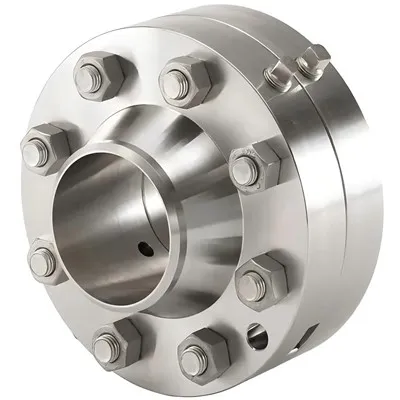
Let’s start with the basics. What exactly is concentricity? Well, in simple terms, it means that the centerlines of two or more parts are perfectly aligned. In the case of API 6B flanges, concentricity is essential for maintaining a proper seal and preventing leaks. If the flanges aren’t aligned correctly, it can lead to all sorts of problems, like uneven stress distribution, gasket failure, and even equipment damage.
So, how do you ensure concentricity during installation? Here are some steps that you can follow:
1. Prepare the Surfaces
Before you start installing the flanges, it’s important to make sure that the mating surfaces are clean and free of any debris or contaminants. Use a wire brush or a solvent to clean the surfaces, and then inspect them for any signs of damage or wear. If you notice any scratches, dents, or cracks, you’ll need to repair or replace the flanges before proceeding.
2. Use Alignment Tools
One of the easiest ways to ensure concentricity is to use alignment tools. There are several types of alignment tools available on the market, including laser alignment systems, dial indicators, and feeler gauges. These tools can help you measure the alignment of the flanges and make any necessary adjustments.
For example, a laser alignment system uses a laser beam to measure the alignment of the flanges. You simply place the laser on one flange and the receiver on the other, and the system will display the alignment readings on a monitor. This makes it easy to see if the flanges are aligned correctly and make any adjustments as needed.
3. Check the Bolt Holes
Another important step in ensuring concentricity is to check the bolt holes in the flanges. The bolt holes should be aligned correctly and free of any burrs or debris. Use a bolt hole alignment tool to check the alignment of the bolt holes, and then use a reamer or a drill to clean up any burrs or debris.
4. Torque the Bolts
Once the flanges are aligned and the bolt holes are clean, it’s time to torque the bolts. Torquing the bolts to the correct specification is essential for maintaining a proper seal and preventing leaks. Use a torque wrench to tighten the bolts to the recommended torque value, and then use a second torque wrench to double-check the torque.
5. Inspect the Installation
After you’ve installed the flanges and torqued the bolts, it’s important to inspect the installation to make sure that everything is in place and working correctly. Check the alignment of the flanges again, and then check for any signs of leaks or damage. If you notice any problems, you’ll need to make the necessary repairs or adjustments before proceeding.
In addition to these steps, there are a few other things that you can do to ensure the concentricity of API 6B flanges during installation:
- Use the right gaskets: Make sure that you’re using the right gaskets for the application. The gaskets should be made of a material that is compatible with the fluid or gas that will be flowing through the flanges, and they should be the correct size and thickness.
- Avoid over-tightening the bolts: Over-tightening the bolts can cause the flanges to deform and lose their concentricity. Make sure that you’re torquing the bolts to the correct specification, and don’t apply too much force.
- Use a flange spreader: If you’re having trouble aligning the flanges, you can use a flange spreader to widen the gap between the flanges. This can make it easier to insert the bolts and align the flanges.
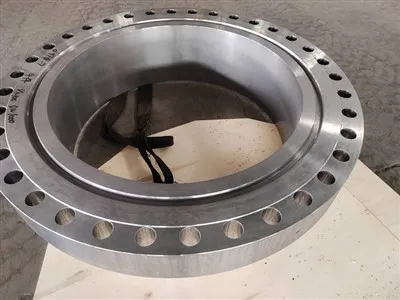
As a supplier of API 6B flanges, I understand the importance of providing high-quality products and excellent customer service. That’s why I’m always here to help my customers with any questions or concerns that they may have about flange installation. If you’re in the market for API 6B flanges, I’d love to hear from you! Whether you need a small order for a one-time project or a large order for a long-term contract, I can help you find the right flanges for your needs.
Ansi B16.47 Fange In conclusion, ensuring the concentricity of API 6B flanges during installation is essential for maintaining a proper seal and preventing leaks. By following the steps outlined in this blog post and using the right tools and techniques, you can ensure that your flanges are installed correctly and working properly. If you have any questions or need more information, please don’t hesitate to contact me. I’m here to help!
References
- API Specification 6B: Specification for Wellhead and Christmas Tree Equipment
- ASME B16.5: Pipe Flanges and Flanged Fittings
- ISO 10423: Petroleum and natural gas industries — Drilling and production equipment — Wellhead and Christmas tree equipment
Shanxi Xinshunda Flange Manufacturing Co., Ltd.
As one of the most professional api 6b flange manufacturers and suppliers in China, we also support customized service with competitive price. We warmly welcome you to wholesale high quality api 6b flange for sale here from our factory. For quotation, contact us now.
Address: Zhunagli Industrial Zone,jinchang Town,dingxiang,shanxi,china
E-mail: sales01@xinflange.com
WebSite: https://www.xinflange.com/
