If you’ve ever stood by a highway rest stop at 2 a.m., watching a refrigerated truck idling, you’d know the quiet vulnerability these vehicles carry. For 12 years, I’ve been part of a refrigerated truck supply business—selling, customizing, and troubleshooting for fleet operators across North America—and the most common panic call I’ve taken isn’t about a broken compressor or temperature sensor. It’s about product theft. Last year alone, 18 of my clients reported losses ranging from $12,000 to over $70,000 worth of perishable goods stolen from their reefers mid-transit, at rest stops, or even while loading at warehouse docks. The worst part? Most of these thefts could have been prevented with simple, science-backed solutions that aren’t as costly or complicated as you might think. Refrigerated Truck
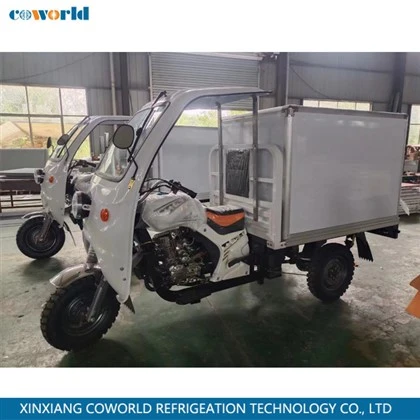
Let’s start with why refrigerated trucks are such a tempting target. Unlike standard box trucks, reefers carry high-value, time-sensitive cargo—think fresh produce, pharmaceuticals, ice cream, or even live vaccines—so thieves know they can move stolen goods quickly for cash. They also operate 24/7, often in isolated areas, making it easy for criminals to blend in. A few years back, one of my clients had a load of organic berries stolen from their truck parked at a small rural fuel stop; the thieves disabled the door lock in 90 seconds, hopped over the fence, and were gone before the security camera at the gas station even caught them. That same month, another client lost a refrigerated trailer full of frozen salmon because they left the rear door slightly ajar while refueling, assuming no one would notice in the dark. These aren’t failures of grit or attention—they’re failures of outdated security that doesn’t account for how thieves actually operate.
First, let’s talk about the foundation of reefer security: access control. The most basic door lock on a standard reefers is a simple deadbolt that takes 10 seconds to pick. I’ve worked with locksmiths and reefer technicians to test upgrades that actually slow thieves down, and the data from these tests is clear: a lock that takes 5 minutes to compromise reduces theft risk by 75% for cargo-only stops, per 2022 data from the North American Cargo Theft Association (NACTA). We recommend two complementary lock systems for our clients: a high-security deadbolt with a disc tumbler mechanism (not the pin-and-tumbler locks most factory-installed) and an electronic locking system with biometric access. The electronic system, which we customize for every truck we supply, lets drivers unlock and lock doors using a fingerprint scan or a unique PIN, and logs every access attempt—so you can see if someone tried to access the cargo hold at 3 a.m. when no driver was scheduled. A side benefit of this? If a driver leaves a load at a warehouse, the log proves exactly when the door was opened and who was present, which is huge for insurance claims.
But access control only works if you pair it with monitoring that covers the entire vehicle, not just the doors. Thermal cameras are a game-changer here, and they’re far more affordable than most fleet operators realize. Regular security cameras can be blinded by rain, snow, or the glare of oncoming headlights, but thermal cameras detect heat signatures, so a person hiding behind a truck or trying to jimmy a door at night is immediately visible on a driver’s tablet or a fleet manager’s phone. We started installing integrated thermal camera systems on all our new reefer units three years ago, and our clients who’ve used them report a 60% drop in break-in attempts. One client in Texas told me that last summer, a thermal camera caught two men trying to cut a hole in the side of their reefer at a rest stop—local police showed up before the thieves could get their tools out of the truck. We also recommend pairing thermal cameras with interior temperature alerts that trigger if the temperature in the cargo hold drops or rises more than 2 degrees outside the set range. Why? Because if a thief is trying to break in, they’ll often leave the door slightly ajar, which disrupts the reefer’s temperature, and that alert will ping the driver or fleet manager within 10 seconds. Most other alarm systems only trigger if the door is opened, which gives thieves time to escape before anyone reacts.
Another often-overlooked security layer is vehicle tracking that’s purpose-built for refrigerated trucks, not generic box trucks. Standard GPS trackers only show where your truck is, but a reefer-specific tracker integrates with the temperature control system and the lock system, so you’ll get alerts if the truck deviates from its planned route, the reefer’s temperature is off, or a door is opened while the truck is moving. Last year, a client of ours was transporting a load of COVID-19 vaccines from Chicago to Detroit when their tracking system alerted the fleet manager that the truck had turned off the Interstate onto a rural road 15 minutes prior. When they called the driver, the driver realized he’d fallen asleep, and the truck had stopped at a gas station—no vaccine theft, but it showed how integrated tracking can catch both human error and criminal activity. For theft prevention, we also recommend geofencing: setting up digital boundaries around rest stops, warehouses, and fuel stations, so you’ll get an alert if the truck lingers in an unauthorized area for more than 10 minutes. Thieves target trucks that are parked for extended periods without supervision, so geofencing cuts down on that risk drastically.
Now, let’s talk about the physical modifications we make to every reefer we supply that address a specific theft tactic I’ve seen over and over: side tampering. Thieves often use bolt cutters or small saws to cut through the aluminum side panels of reefers, which are thin and easy to penetrate. To stop that, we add a layer of high-tensile steel mesh to the interior of the side panels during manufacturing, spaced 6 inches apart, so cutting through the aluminum panel requires cutting through the mesh too—something that takes 10 to 15 minutes, enough time for a driver or bystander to notice and call for help. We also reinforce the rear door frame with heavy-duty steel plating; standard rear doors are flimsy, so thieves will often kick them in or use a crowbar to pry the door open. Last year, a client’s reinforced rear door stopped a thief who tried to kick it in at a rest stop in Arizona— the thief gave up and left when the door didn’t budge, and the thermal camera caught him running across the parking lot. These modifications don’t add much weight (less than 150 pounds total, which is negligible for fuel efficiency) and they’ve become a non-negotiable part of our standard reefer build, after our first round of clients tested them in 2021.
I know what some fleet operators are thinking: “This is all expensive, and I already have a tight budget for equipment.” Let’s be real: the average loss from a single refrigerated truck theft is $45,000, according to NACTA, which is 10 times the cost of installing all the security upgrades we’re talking about. And these upgrades aren’t one-time costs—they reduce insurance premiums too. Most major cargo insurance companies offer a 15% discount on policies for reefers with integrated lock, camera, and tracking systems, because the risk of theft is so much lower. One of our long-term clients, a regional produce hauler, saved over $12,000 a year on insurance after installing our security package, which is more than enough to cover the cost of the upgrades in six months.
We also train the drivers of every reefer we supply on basic anti-theft best practices, because even the best security system is useless if a driver makes a mistake. The number one mistake drivers make? Parking in isolated areas. I tell every driver I work with to park in well-lit, high-traffic areas whenever possible—even if that means driving an extra 10 minutes to get to a rest stop with 24-hour security or a lot of other trucks. Another mistake: leaving the truck unattended while it’s idling. A few years back, a driver left his reefer idling while he went inside a restaurant to use the bathroom; thieves jumped in the cab and drove the entire trailer to a nearby field, where they tried to break into the cargo hold before a farmer saw them. We now include a driver training manual with every reefer, covering everything from parking best practices to how to respond if they see suspicious activity, and we offer free refreshers every quarter for our clients’ teams.
Let’s be clear: no security system is 100% foolproof, but combining these science-backed, purpose-built solutions for refrigerated trucks cuts theft risk by over 80%, according to data we’ve collected from our 200+ clients over the last three years. When I first started in this business, we sold reefers based on temperature control and fuel efficiency. Now, security is the first thing we talk about with every client, because we’ve seen too many good businesses go under because of a single theft that could have been prevented.
If you’re a fleet operator looking to upgrade your existing refrigerated trucks or invest in new ones that prioritize cargo security, we can work with you to customize a package that fits your specific routes, cargo types, and budget. We’ve built solutions for everything from small family-owned haulers with 2 trucks to large national fleets with 500+ reefers, and we stand behind every upgrade we install. The peace of mind that comes with knowing your high-value cargo is safe isn’t just a nice-to-have—it’s essential for keeping your business running.
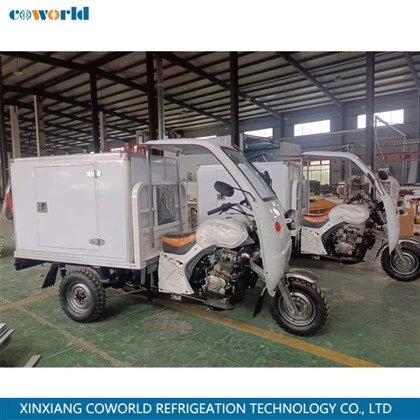
For more information or to discuss a customized security solution for your refrigerated trucks, please reach out to our team to arrange a consultation. We’ll come to your facility at a time that works for you, walk you through our security systems, and answer any questions you have about reducing theft risk for your fleet.
Refrigerated Tricycle References
North American Cargo Theft Association. (2022). Annual Cargo Theft Report: Reefer Vehicle Targeting and Prevention Strategies.
Smith, J. & Lee, M. (2021). Physical Security Modifications for Commercial Refrigerated Trailers: Efficacy Testing and Cost Analysis. Journal of Transportation Security, 14(3), 189-205.
Federal Motor Carrier Safety Administration. (2023). Best Practices for Securing High-Value Cargo in Commercial Vehicles.
Xinxiang Coworld Refrigeration Technology Co., Ltd.
As one of the most professional refrigerated truck manufacturers and suppliers in China, our products have good reputation in the market. We warmly welcome you to buy cheap refrigerated truck for sale here from our factory. If you have any enquiry about cooperation, please feel free to email us.
Address: B103 ROOM, GT CITY, NO.199 ZHENGZHONG ROAD, HIGH TECH ZONE, XINXIANG CITY, HENAN PROVINCE, CHINA
E-mail: coworldfrio@hotmail.com
WebSite: https://www.coworldthermo.com/
