Ansi B16.48 flanges, also known as lap – joint stub ends with backing flanges, are a common choice in various industrial piping systems. As a dedicated supplier of Ansi B16.48 flanges, I often encounter inquiries from customers regarding their suitability for steam applications. In this blog post, I’ll delve into a thorough analysis of whether Ansi B16.48 flanges are appropriate for steam services. Ansi B16.48 Flange
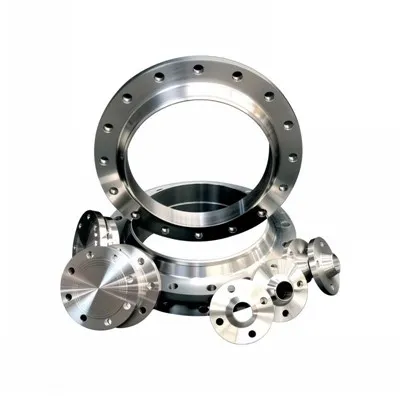
Steam is a ubiquitous medium in industries such as power generation, chemical processing, food and beverage, and many others. Its properties, including high temperature and pressure, pose unique challenges to the piping components. Therefore, when selecting flanges for steam applications, several key factors need to be considered carefully, and these factors will determine whether Ansi B16.48 flanges are an ideal option.
One of the primary concerns in steam applications is the pressure – temperature rating. The pressure – temperature rating of a flange indicates the maximum pressure that the flange can safely withstand at a given temperature. Ansi B16.48 flanges are designed in accordance with the American National Standards Institute (ANSI) standards, which provide clear guidelines on their pressure – temperature capabilities.
These flanges come in different pressure classes, such as 150, 300, 600, etc. For low – pressure steam systems with relatively moderate temperatures, Ansi B16.48 flanges in lower pressure classes can typically handle the requirements. For example, in a food – processing plant where steam is used for heating at pressures around 150 psi (pounds per square inch) and temperatures up to 400°Fahrenheit, a 150 – class Ansi B16.48 flange can be a suitable choice.
However, as the pressure and temperature increase, the requirements for the flange become more stringent. In high – pressure power generation steam systems where pressures can reach over 1000 psi and temperatures exceed 900°Fahrenheit, the pressure – temperature rating of Ansi B16.48 flanges may need to be carefully evaluated. In some cases, higher – class flanges may be required to ensure the safety and integrity of the piping system.
Another crucial aspect is the material of the Ansi B16.48 flanges. The material must be able to withstand the corrosive nature of steam, especially when the steam contains impurities or chemicals. Commonly used materials for Ansi B16.48 flanges include carbon steel, stainless steel, and alloy steel.
Carbon steel flanges are cost – effective and are suitable for many general steam applications. They have good mechanical properties and can resist moderate corrosion. However, in environments where the steam is highly corrosive, such as in chemical plants where steam may come into contact with acidic or alkaline substances, carbon steel may not be sufficient.
Stainless steel flanges, on the other hand, offer excellent corrosion resistance. Grades like 304 and 316 stainless steel are widely used in steam applications where corrosion is a major concern. They can withstand the oxidation and pitting corrosion that may occur in steam systems, especially in high – temperature and high – humidity conditions.
Alloy steel flanges combine the strength of steel with the special properties of various alloys. They are often used in high – temperature and high – pressure steam applications in the power generation industry. Alloy steel flanges can maintain their mechanical properties at elevated temperatures better than carbon steel, providing long – term reliability.
The sealing performance of Ansi B16.48 flanges is also essential in steam applications. Steam systems rely on a tight seal to prevent leaks, which can not only result in energy loss but also pose safety risks. The lap – joint design of Ansi B16.48 flanges provides some flexibility in alignment, which can be beneficial during installation. However, a proper gasket must be selected to ensure an effective seal.
For steam applications, gaskets such as spiral – wound gaskets, graphite gaskets, and PTFE – coated gaskets are commonly used. Spiral – wound gaskets are known for their resilience and ability to withstand high temperatures and pressures. They can adapt to minor flange surface irregularities and maintain a tight seal even under cyclic pressure and temperature changes. Graphite gaskets are also popular due to their excellent thermal conductivity and resistance to high temperatures. They can provide a reliable seal in steam systems operating at extreme temperatures.
Installation and maintenance are additional factors to consider when evaluating the suitability of Ansi B16.48 flanges for steam applications. Proper installation is crucial to ensure the performance and longevity of the flanges. During installation, care must be taken to ensure correct alignment, proper tightening of bolts, and the use of the appropriate gasket.
Maintenance of Ansi B16.48 flanges in steam systems involves regular inspection for signs of corrosion, leaks, and gasket degradation. In steam applications, where there are often temperature and pressure fluctuations, the flanges and gaskets may experience stress cycles. Regular maintenance can help detect and address potential issues before they lead to system failures.
In real – world scenarios, the successful use of Ansi B16.48 flanges in steam applications depends on a combination of factors. For small – scale steam systems with relatively stable operating conditions, such as in some local heating systems, Ansi B16.48 flanges can be a practical and cost – effective solution. Their design allows for easy installation and replacement, which can be beneficial in these applications.
In large – scale industrial steam plants, however, a more comprehensive approach is required. Engineers need to conduct detailed calculations and assessments to determine whether Ansi B16.48 flanges meet the specific requirements of the steam system. This may involve considering factors such as thermal expansion, vibration, and water hammer effects.
In conclusion, Ansi B16.48 flanges can be suitable for steam applications under the right circumstances. Their suitability depends on factors such as pressure – temperature rating, material selection, sealing performance, and proper installation and maintenance. As a supplier of Ansi B16.48 flanges, I am committed to providing high – quality products and technical support to help customers make informed decisions.
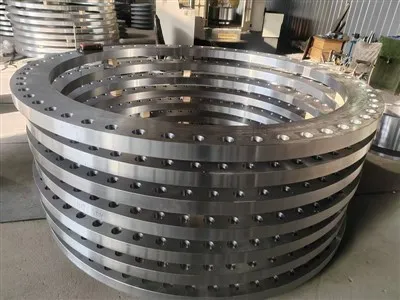
If you are in search of reliable Ansi B16.48 flanges for your steam applications, I invite you to contact me for procurement discussions. We can work together to evaluate your specific needs and find the most suitable flange solutions for your steam systems.
Accessories References
- American Society of Mechanical Engineers (ASME) Boiler and Pressure Vessel Code.
- Manufacturer’s specifications for Ansi B16.48 flanges.
- Technical literature on steam piping systems and flange selection.
Shanxi Xinshunda Flange Manufacturing Co., Ltd.
As one of the most professional ansi b16.48 flange manufacturers and suppliers in China, we also support customized service with competitive price. We warmly welcome you to wholesale high quality ansi b16.48 flange for sale here from our factory. For quotation, contact us now.
Address: Zhunagli Industrial Zone,jinchang Town,dingxiang,shanxi,china
E-mail: sales01@xinflange.com
WebSite: https://www.xinflange.com/
