Tantalum is a remarkable metal known for its exceptional corrosion resistance, high melting point, and excellent electrical conductivity. As a trusted supplier of tantalum products, I often encounter inquiries about the casting process of tantalum and its related products. In this blog post, I will delve into the question: Can tantalum products be cast? Tantalum Products
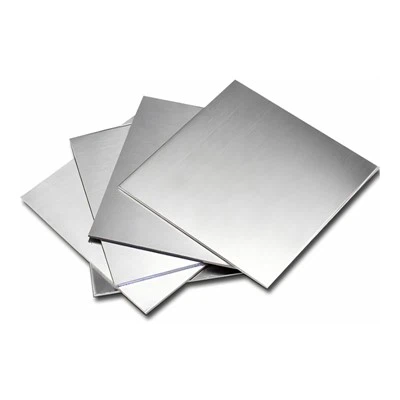
Understanding Tantalum’s Properties
Before exploring the casting possibilities of tantalum, it’s essential to understand its unique properties. Tantalum has a very high melting point of approximately 3017°C (5463°F), which is one of the highest among metals. This high melting point, combined with its chemical stability and low reactivity, makes tantalum an ideal material for a variety of applications, including electronics, chemical processing, aerospace, and medical devices.
The Challenges of Casting Tantalum
Casting tantalum presents several significant challenges due to its high melting point and reactivity. When tantalum is heated to its melting point, it becomes extremely reactive with oxygen and nitrogen in the air, forming oxides and nitrides on the surface. These compounds can degrade the mechanical properties of the cast product and make it difficult to achieve the desired quality.
Another challenge is the high viscosity of molten tantalum. At its melting point, tantalum has a high viscosity, similar to that of honey, which makes it difficult to flow and fill complex molds. This requires specialized casting techniques and equipment to ensure proper mold filling and minimize defects such as porosity and shrinkage.
Casting Techniques for Tantalum Products
Despite the challenges, it is indeed possible to cast tantalum products using the following advanced techniques:
Vacuum Induction Melting and Casting (VIM)
Vacuum induction melting is a widely used technique for melting and casting tantalum. In this process, the tantalum is placed in a crucible and heated by an induction coil in a vacuum chamber. The vacuum environment prevents the formation of oxides and nitrides, ensuring a clean and pure melt. Once the tantalum is melted, it can be poured into a preheated mold to form the desired shape.
VIM is suitable for producing small to medium-sized tantalum castings with high precision and excellent mechanical properties. However, it requires specialized equipment and expertise, which can increase the cost of production.
Electron Beam Melting and Casting (EBM)
Electron beam melting is another advanced technique for casting tantalum. In this process, a high-energy electron beam is used to melt the tantalum in a vacuum chamber. The electron beam can be precisely controlled to melt the tantalum at a specific location, allowing for the production of complex shapes and structures.
EBM offers several advantages over traditional casting techniques, including high melting efficiency, low contamination, and the ability to produce near-net-shape components. However, it is a relatively expensive process and requires specialized equipment and trained operators.
Investment Casting
Investment casting, also known as lost-wax casting, is a versatile casting technique that can be used to produce tantalum parts with complex geometries. In this process, a wax pattern is first created in the shape of the desired part. The wax pattern is then coated with a ceramic shell, which is heated to remove the wax and create a mold cavity. The molten tantalum is then poured into the mold cavity, and after solidification, the ceramic shell is removed to reveal the final part.
Investment casting offers several advantages, including high dimensional accuracy, excellent surface finish, and the ability to produce parts with intricate details. However, it is a time-consuming and expensive process, and the quality of the castings can be affected by factors such as mold design, wax quality, and casting parameters.
Applications of Cast Tantalum Products
Cast tantalum products find a wide range of applications in various industries, thanks to their unique properties. Some of the common applications include:
Electronics
Tantalum capacitors are widely used in electronic devices due to their high capacitance, low leakage current, and excellent stability. Cast tantalum electrodes are used in these capacitors to provide a high surface area for charge storage.
Chemical Processing
Tantalum’s excellent corrosion resistance makes it an ideal material for chemical processing equipment, such as reactors, heat exchangers, and valves. Cast tantalum components can withstand harsh chemical environments and high temperatures, ensuring long-term reliability and performance.
Aerospace
In the aerospace industry, cast tantalum products are used in critical components such as turbine blades, rocket nozzles, and heat shields. Tantalum’s high melting point and excellent mechanical properties make it suitable for applications where high temperatures and extreme conditions are encountered.
Medical Devices
Tantalum is biocompatible and has excellent corrosion resistance, making it an ideal material for medical devices such as implants and surgical instruments. Cast tantalum components can be customized to meet the specific requirements of medical applications, ensuring a perfect fit and long-term performance.
Quality Control and Assurance
As a tantalum products supplier, we understand the importance of quality control and assurance in the casting process. We have implemented a comprehensive quality management system to ensure that our cast tantalum products meet the highest standards of quality and performance.
Our quality control measures include:
- Raw Material Inspection: We carefully inspect all incoming raw materials to ensure their purity and quality.
- Process Monitoring: We closely monitor the casting process to ensure that all parameters are within the specified range.
- Non-Destructive Testing: We use non-destructive testing techniques such as X-ray, ultrasonic, and dye penetrant testing to detect any internal defects in the castings.
- Mechanical Testing: We perform mechanical testing on the castings to ensure that they meet the required mechanical properties.
- Final Inspection: We conduct a final inspection of the castings to ensure that they meet the customer’s specifications and requirements.
Conclusion
In conclusion, tantalum products can be cast using advanced techniques such as vacuum induction melting, electron beam melting, and investment casting. Despite the challenges associated with casting tantalum, these techniques allow for the production of high-quality castings with excellent mechanical properties and dimensional accuracy.

As a leading tantalum products supplier, we have the expertise and capabilities to meet your casting needs. Whether you need small, precision castings or large, complex components, we can provide you with customized solutions that meet your specific requirements.
Tungsten Wire If you are interested in learning more about our cast tantalum products or have any questions about the casting process, please feel free to contact us. Our team of experts will be happy to assist you and provide you with more information on how we can help you achieve your goals. We look forward to the opportunity to work with you and contribute to the success of your projects.
References
- ASM Handbook, Volume 15: Casting
- Tantalum and Niobium: Properties, Processing, and Applications. Springer Science & Business Media.
- "Modern Casting Technology for High-Temperature Alloys" by R. D. Pehlke.
Address: Wangjing Science and Technology Park, Guangshun North Street, Chaoyang District, Beijing
E-mail: sales@moly-tungsten.com
WebSite: https://www.moly-tungsten.com/
