In the industrial world, forged fittings play a crucial role in various piping systems. As a seasoned supplier of forged fittings, I’ve witnessed firsthand the dynamic nature of the market. Understanding market trends is not only essential for staying competitive but also for meeting the evolving needs of our customers. In this blog post, I’ll delve into the current and emerging market trends for forged fittings. Forged Fittings

1. Growing Demand in Key Industries
The demand for forged fittings is on the rise, particularly in industries such as oil and gas, petrochemical, power generation, and water treatment. In the oil and gas sector, the exploration and production of offshore and onshore oil and gas reserves require high – quality forged fittings to ensure the integrity and safety of the piping systems. These fittings need to withstand high pressure, temperature, and corrosive environments.
The petrochemical industry, which involves the production of various chemicals from petroleum and natural gas, also relies heavily on forged fittings. The complex chemical processes often involve harsh chemicals and high – energy reactions, making the quality and durability of forged fittings a top priority.
Power generation, whether it’s thermal, hydro, or nuclear power, requires forged fittings for steam, water, and gas pipelines. The need for reliable and long – lasting fittings is critical to maintain the continuous operation of power plants.
In the water treatment industry, forged fittings are used in pipelines for transporting water, sewage, and treated effluents. With the increasing global focus on water conservation and environmental protection, the demand for durable and leak – proof forged fittings is expected to grow.
2. Technological Advancements in Forging Processes
Forging technology has come a long way in recent years. Advanced forging techniques such as hot forging, cold forging, and warm forging offer improved mechanical properties, better dimensional accuracy, and higher production efficiency.
Hot forging is widely used for producing large – sized forged fittings. The high temperature during the forging process allows the metal to be easily shaped and results in a fine – grained microstructure, which enhances the strength and toughness of the fittings.
Cold forging, on the other hand, is suitable for producing small – to medium – sized fittings with high precision. It offers better surface finish and dimensional control compared to hot forging.
Warm forging combines the advantages of hot and cold forging. It is carried out at a temperature between the hot and cold forging ranges, which reduces the forming force while maintaining good mechanical properties.
In addition, computer – aided design (CAD) and computer – aided manufacturing (CAM) technologies are increasingly being used in the forging industry. These technologies enable more accurate design and manufacturing of forged fittings, reducing the development time and cost.
3. Emphasis on Quality and Certification
In today’s market, quality is non – negotiable. Customers are more concerned than ever about the quality of forged fittings, especially in safety – critical applications. As a result, there is a growing emphasis on obtaining relevant quality certifications.
Certifications such as ASTM (American Society for Testing and Materials), ASME (American Society of Mechanical Engineers), and ISO (International Organization for Standardization) are widely recognized in the industry. These certifications ensure that the forged fittings meet specific standards in terms of material quality, mechanical properties, and manufacturing processes.
For example, ASTM standards specify the chemical composition, mechanical properties, and testing methods for different types of metals used in forged fittings. ASME standards focus on the design, fabrication, and inspection of pressure vessels and piping systems. ISO standards provide a framework for quality management systems, ensuring consistent quality throughout the production process.
4. Shift Towards Sustainable and Environmentally Friendly Forging
Sustainability is becoming a major trend in the forging industry. With increasing environmental regulations and growing awareness of climate change, customers are looking for forged fittings that are produced in an environmentally friendly manner.
One aspect of sustainable forging is the use of recycled materials. Recycling metals reduces the demand for virgin materials, conserves energy, and reduces waste. Forged fittings can be made from recycled steel, aluminum, and other metals, which not only helps to protect the environment but also reduces the cost of production.
Another important aspect is energy efficiency in the forging process. Manufacturers are investing in new technologies and equipment to reduce energy consumption during forging. For example, using advanced heating systems and optimizing the forging process can significantly reduce energy waste.
5. Globalization and International Trade
The forged fittings market is highly globalized. Manufacturers are sourcing raw materials from different parts of the world and selling their products to customers across the globe. International trade agreements and the development of transportation infrastructure have made it easier for forged fittings to be traded internationally.
However, globalization also brings challenges. Fluctuations in currency exchange rates, trade barriers, and geopolitical tensions can affect the cost and availability of forged fittings. For example, tariffs on imported raw materials or finished products can increase the cost of production and reduce the competitiveness of suppliers in the global market.
To stay competitive in the global market, suppliers need to have a good understanding of international trade regulations, manage currency risks, and develop strong partnerships with suppliers and customers around the world.
6. Customization and Value – Added Services
Customers are increasingly looking for customized forged fittings to meet their specific requirements. This could include specific sizes, shapes, materials, or surface finishes. As a supplier, we need to have the flexibility to produce customized products to satisfy our customers.
In addition to customization, value – added services such as technical support, design assistance, and just – in – time delivery are becoming more important. Technical support helps customers to select the right forged fittings for their applications, while design assistance can help to optimize the design of piping systems. Just – in – time delivery ensures that customers receive the products they need when they need them, reducing inventory costs.
Conclusion
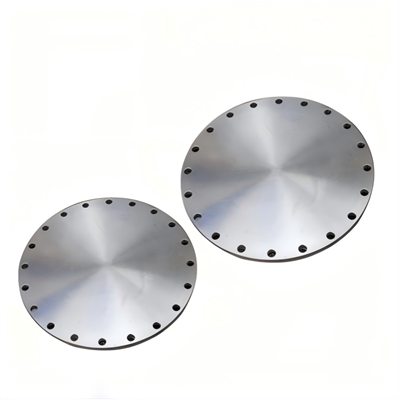
The market for forged fittings is constantly evolving, driven by factors such as industry demand, technological advancements, quality requirements, sustainability, globalization, and customer needs. As a supplier of forged fittings, we need to stay ahead of these trends to remain competitive in the market.
Pipe Fittings If you’re in the market for high – quality forged fittings, I encourage you to reach out to us. We have a wide range of products that meet international standards, and our team of experts can provide you with customized solutions and value – added services. Whether you’re in the oil and gas, petrochemical, power generation, or water treatment industry, we’re here to meet your needs. Contact us today to start a discussion about your procurement requirements.
References
- "Forged Fittings Handbook" by Industry Press
- ASTM International Standards on Forged Metals
- ASME Boiler and Pressure Vessel Code
- ISO 9001:2015 Quality Management Systems Standard
Hebei Haihao Group Huadian High Pressure Pipe Fittings Co., Ltd.
As one of the most professional forged fittings manufacturers and suppliers in China, we are able to meet the needs of the majority of our customers. Please rest assured to wholesale high quality forged fittings made in China here from our factory. For price consultation, contact us.
Address: Donglin Industrial Zone, Mengcun County, Cangzhou City, Hebei Province, China
E-mail: haihaohuadian@outlook.com
WebSite: https://www.hhfittings.com/
